
Politics
Senator Kalu urges political unity, says Tinubu, Atiku, Obi, Makinde remain friends despite rivalries

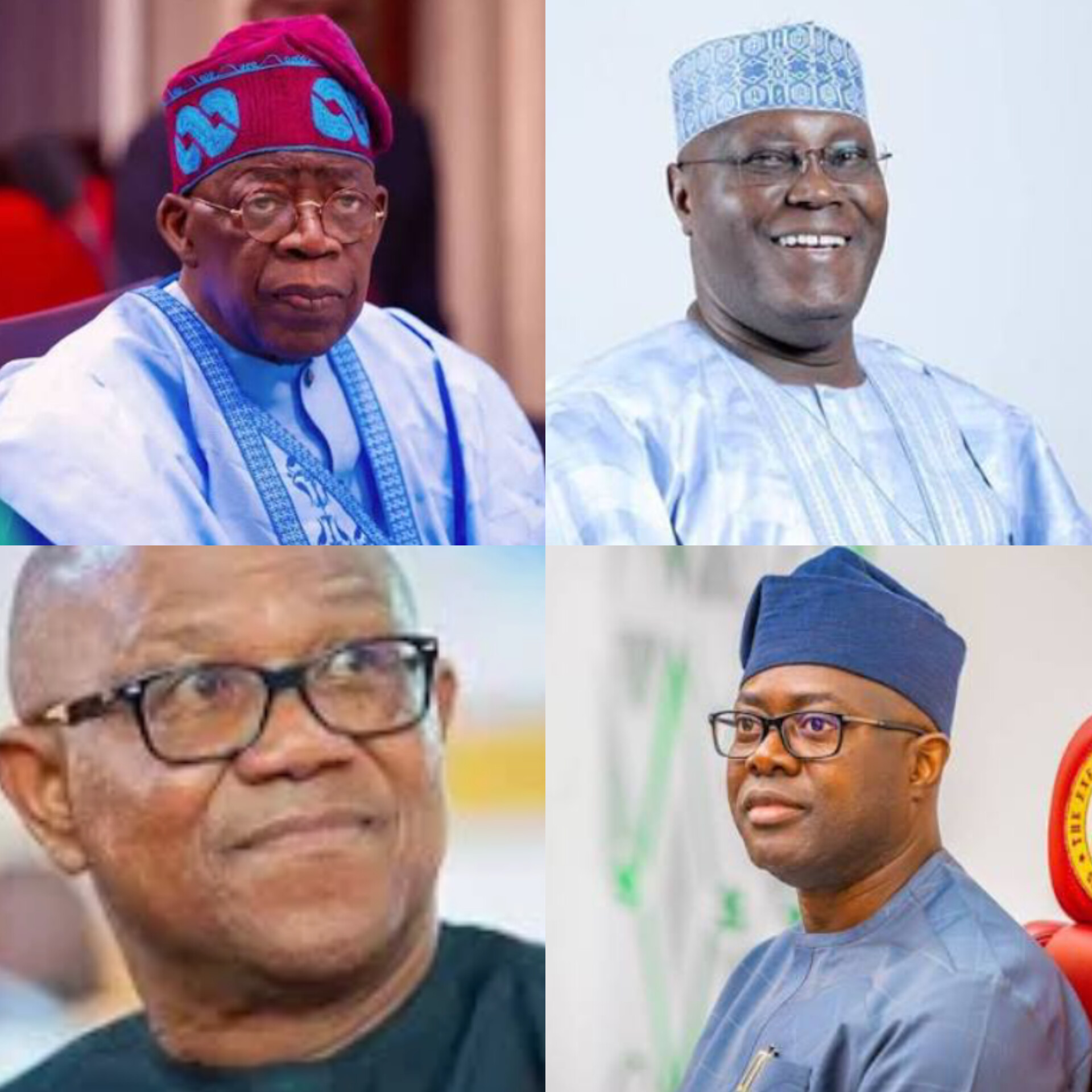
Senator representing Abia North Senatorial District, Orji Uzor Kalu has called on political leaders and their supporters to embrace unity, issue-based politics and mutual respect, warning that political hostilities could undermine the country’s democratic development.
The Senator said politicians should focus on their achievements, contributions to national development and positive impact on society rather than resorting to personal attacks and unnecessary confrontations.

He made the appeal at “The Best Impact Award” conferred on him by the Senate Press Corps at the National Assembly on Tuesday in Abuja, stressing the need for political actors to recognise that disagreements over party affiliations should not destroy personal relationships or national cohesion.
According to him, President Bola Ahmed Tinubu, former Vice President Atiku Abubakar, Labour Party’s Peter Obi and Oyo State Governor Seyi Makinde should be seen as political competitors who can still maintain cordial relationships.

“Whether it is Tinubu, Atiku, Obi or Makinde, all of us are friends. We go to meetings together, whether politics or not. Why don’t we consider that level of friendship instead of fighting?” he asked.
The lawmaker insisted that Nigerians needed unity rather than political hostility, arguing that democracy should provide a platform for competition based on ideas, performance and the ability to deliver results.
He maintained that political leaders should allow the democratic process to determine electoral winners instead of creating tensions that could give the impression that the country was not ready for democratic governance.
“Nigerians need unity. We don’t need this fight. We don’t need to force anything that will make our country look as if we are not prepared for democracy. We are prepared for democracy. The best will always win,” he said.
The senator also called for greater accountability among elected representatives, suggesting the introduction of a peer-review mechanism through which lawmakers could assess one another’s performance and commitment to their constituencies.
He expressed concern that some senators allegedly failed to maintain regular contact with their constituents or demonstrate sufficient commitment to addressing local needs.
According to him, a system that allows lawmakers to review the work of their colleagues could encourage better representation and inspire elected officials to deliver tangible benefits to their communities.
He added that visible achievements by lawmakers could serve as examples for representatives from other constituencies, encouraging them to adopt similar development-oriented approaches.
The lawmaker’s comments underscored the importance of measuring political leadership by its impact on society, rather than by the intensity of partisan competition.
The remarks also raised questions about how elected representatives could strengthen accountability, improve constituency engagement and promote a political culture in which differences of opinion do not translate into hostility.











NAN Staff appointed Media Director, Ashaka Carnival Group
Mr Emmanuel Mogbede, an Assistant Editor in Chief of the News Agency of Nigeria (NAN)has been appointed as the Director...


Ayra Starr joins 2027 Coachella lineup alongside Dua Lipa, SZA, Madonna
Nigerian singer Ayra Starr has been named among the artistes scheduled to perform at the 2027 edition of the Coachella...


Blessing CEO admits faking cancer diagnosis to raise donations
Social media personality says financial pressure prompted fundraising stunt Social media personality Blessing Okoro, popularly known as Blessing CEO, has...

Military arrests Kogi-bound suspected ammunition supplier, reveals owners residing in Lokoja

Phancy Launches Phai-A1 Language Model and Phai-M1 Video Generation Model

The unsung Jigawa medical doctor: Governor Namadi must hear this..

Sentosa Island transforms into largest single stop for ‘BTS THE CITY ARIRANG SINGAPORE’

Orelope-Adefulire did not send Daniel Ojukwu to prison, the law did — Analyst

Court sentences christian mother to 14 years imprisonment for sharing faith with muslim woman

‘Suspend frequent travels in pursuit of money and attend to me’, heavily pregnant Jarvis to Peller

Nigeria meets OPEC quota for 5th consecutive month as daily peak hits1.84m barrels in September

Ebola: Tinubu gov’t tells Nigerians not to panic

The silent killer among Nigeria’s youth

BREAKING: Suspected ‘Abu Odoma boys’ set Maikano Diesel Generator donated by Muri ablaze overnight at Idah LG

Research funding: Union demands 5% tax from 14 MDAs

2023: Senator Marafa, Ex-governor Yari defect to PDP
