
News
Tinubu targets 40% transport fare reduction as China’s Yutong plans bus assembly plant in Nigeria

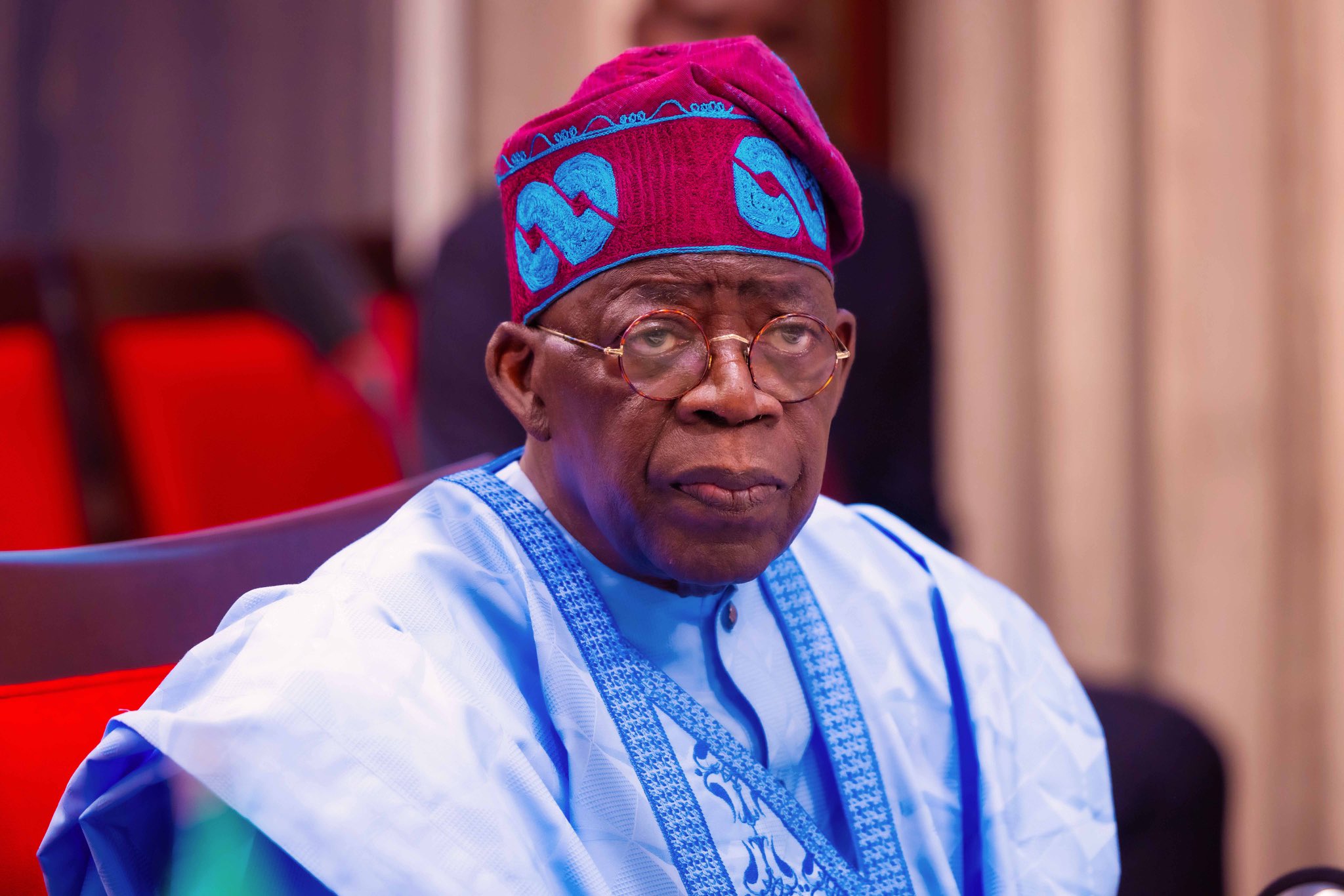
President Bola Ahmed Tinubu has announced plans to expand affordable mass transportation in Nigeria through a partnership with Chinese automotive manufacturer Yutong, which is expected to establish a compressed natural gas (CNG) bus assembly plant in the country.
The proposed investment is expected to strengthen the Federal Government’s National Affordable CNG Transit Programme (NACTP), which targets a reduction of about 40 per cent in transport fares on participating routes.
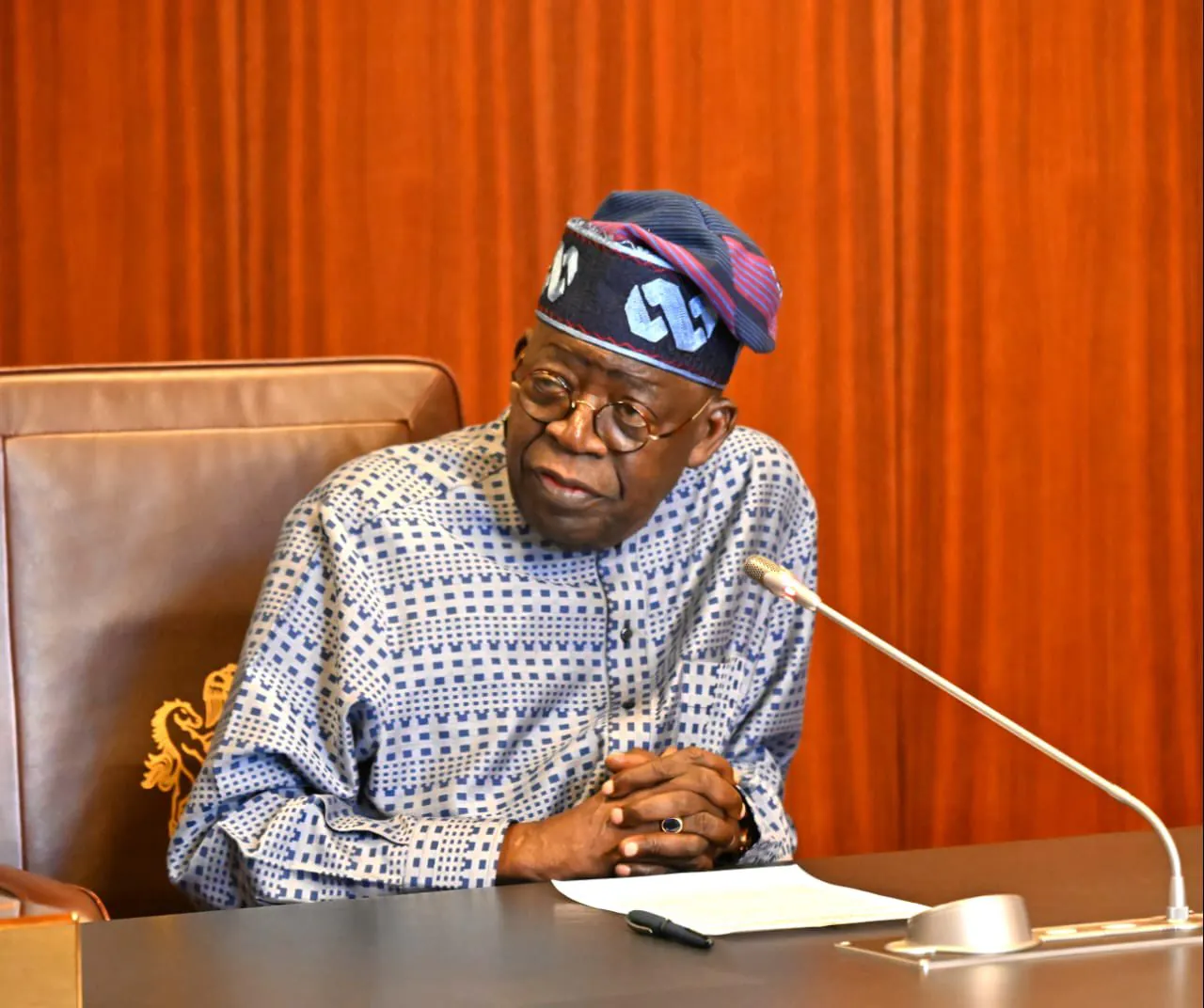
According to a statement issued by Bayo Onanuga, Special Adviser to the President on Information and Strategy, the initiative follows Tinubu’s invitation to Yutong to support the expansion of affordable public transportation across Nigeria.
Under an agreement signed in Lagos on Thursday, November 19, 2026, Yutong will supply an initial batch of 300 CNG-powered buses, with the first 100 units expected to arrive in Lagos before the end of December.

The remaining buses are expected to be assembled locally through YP Automobiles Bus Assembly at the former Leyland Automotive plant in Ibadan, Oyo State.
The arrangement is expected to revive local vehicle assembly operations, reduce Nigeria’s reliance on imported buses, facilitate technology transfer and create employment opportunities for engineers, technicians and other skilled workers.
Government Targets Lower Transport Costs
The Federal Government said the initiative is designed to reduce the financial burden of daily transportation on Nigerians, particularly workers, traders, students and families who depend on commercial vehicles for their daily activities.
Under the National Affordable CNG Transit Programme, the government is working with state governments and transport operators to extend cheaper transportation services to more routes nationwide.
Tinubu maintained that the benefits of using CNG-powered vehicles should translate into lower fares for passengers, rather than being limited to reduced operating costs for transport operators.
The administration said the proposed 40 per cent fare reduction is part of its Renewed Hope Agenda 2.0 for 2027–2031, which includes measures aimed at lowering living costs and improving access to affordable public transportation.
Ibadan Plant to Support Local Production
The planned assembly operations at the former Leyland Automotive facility in Ibadan are expected to strengthen Nigeria’s automotive manufacturing capacity and support a more sustainable supply of commercial buses.
Yutong, described in the presidential statement as the world’s largest bus manufacturer, reportedly sold 49,518 buses globally in 2025. The company also manufactures buses powered by electricity and compressed natural gas and has experience in public transportation projects across international markets.
The proposed Nigerian assembly operation is expected to create opportunities for local workers while helping to develop technical expertise in the automotive sector.
CNG Infrastructure Expansion Underway
The government also highlighted ongoing efforts to expand Nigeria’s CNG refuelling infrastructure through the Presidential Initiative on Compressed Natural Gas and Electric Vehicles (Pi-CNG & EV), the Midstream and Downstream Gas Infrastructure Fund (MDGIF) and private-sector investments.
The measures include the deployment of mobile refuelling units and a presidential directive for the addition of 1,000 CNG refuelling infrastructure units nationwide.
The expansion is expected to support the growing adoption of CNG-powered commercial vehicles and improve the infrastructure required for a broader rollout of affordable mass transit services.
Tinubu said the success of the programme would ultimately be determined by the extent to which Nigerians experience savings in their daily transportation expenses.
The Federal Government reaffirmed its commitment to working with state governments, transport operators and private investors to expand access to affordable transportation and strengthen local manufacturing.
If successfully implemented, the initiative could provide additional public transport capacity while supporting employment and industrial development.
However, the actual impact on passengers will depend on the implementation of the programme and whether the targeted fare reductions are reflected in transport prices across participating routes.





NAN Staff appointed Media Director, Ashaka Carnival Group
Mr Emmanuel Mogbede, an Assistant Editor in Chief of the News Agency of Nigeria (NAN)has been appointed as the Director...


Ayra Starr joins 2027 Coachella lineup alongside Dua Lipa, SZA, Madonna
Nigerian singer Ayra Starr has been named among the artistes scheduled to perform at the 2027 edition of the Coachella...


Blessing CEO admits faking cancer diagnosis to raise donations
Social media personality says financial pressure prompted fundraising stunt Social media personality Blessing Okoro, popularly known as Blessing CEO, has...
Ping An Digital Bank Receives HKD500 Million Capital Injection from Lufax

Tinubu targets 40% transport fare reduction as China’s Yutong plans bus assembly plant in Nigeria

BREAKING: FIFA president Infantino arrives in Delta for inspection of Warri stadium
N100,000 Family Grant: How to apply [Explainer]

2027: Opposition coalition parties to unseat Tinubu to sign agreement November 30 — Lukman

Ebola: Tinubu gov’t tells Nigerians not to panic

APC ‘rented crowds’ to fill ’empty seats’ at Kaduna rally – Opposition ADC claims

Harry Kane of Bayern Munich is winner of 2026 Ballon d’Or after display – Arsenal Midfielder Declan Rice deckares

Protest looms as PAAU increases school fees over 150% amid NELFUND intervention confusion [Investigation]

UbuntuCare Africa introduces ‘Gift Health’ to Nigerians at OffChart NXT 2026

BREAKING: Suspected ‘Abu Odoma boys’ set Maikano Diesel Generator donated by Muri ablaze overnight at Idah LG

Research funding: Union demands 5% tax from 14 MDAs

2023: Senator Marafa, Ex-governor Yari defect to PDP
