
News
Stereotypes, misconceptions fuel conflicts in Nigeria, stakeholders warn at Jos youth peace summit

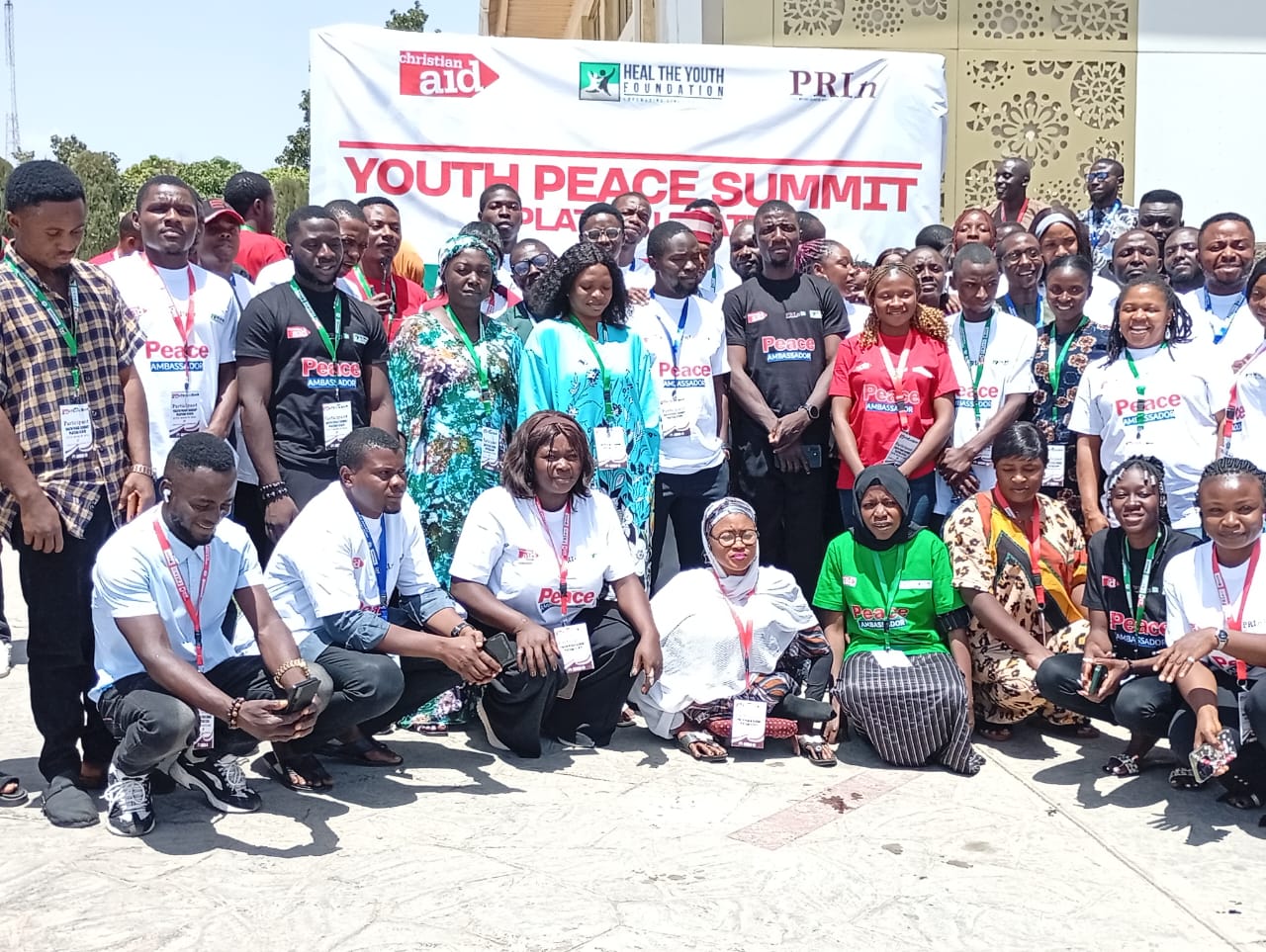
Stereotypes and deep-rooted misconceptions have been identified as major drivers of protracted conflicts across Nigeria, as stakeholders called for deliberate efforts to rebuild trust and promote social cohesion among diverse communities.
This formed the crux of discussions at a one-day Youth Peace Summit held in Jos, Plateau State, with the theme “Youth-Led Dialogue for Social Cohesion.” The summit was organised by Heal the Youth Foundation in collaboration with Christian Aid Nigeria and other development partners

Participants, drawn from Bassa and Barkin-Ladi Local Government Areas, alongside key community stakeholders, engaged in robust dialogue aimed at addressing the underlying causes of communal tensions and charting a path towards sustainable peace.
Speaking at the event, the Plateau State Coordinator of Heal the Youth Foundation, Victor Pwajok, said the initiative was designed to reawaken the consciousness of young people as critical agents of peace in their communities.

Pwajok disclosed that 40 youths and 20 stakeholders were deliberately selected for the summit to strengthen collaboration and build capacity around conflict prevention mechanisms.
According to him, emphasis was placed on early warning systems and coordinated responses to emerging threats.
He stressed the importance of knowing where and how to report potential conflicts, as well as identifying relevant actors and institutions involved in peacebuilding at the community and local government levels
.
“The key message is understanding conflict early warning signs, knowing who to report to, and building partnerships within communities to effectively manage crises before they escalate,” he stated.
In a paper presentation titled “Countering Misconceptions: Tackling Stereotypes that Fuel Conflict, Promoting Empathy and Understanding,” Dr. Gideon Buada lamented that despite Nigeria’s rich diversity of over 250 ethnic nationalities, the country continues to grapple with recurring conflicts largely driven by negative stereotypes.
He explained that such stereotypes often breed discrimination, exclusion, fear, and mistrust, ultimately leading to the dehumanisation of others and escalation of violence.
Buada urged young people to rise to the challenge of reshaping societal narratives by rejecting divisive stereotypes and promoting values of empathy and mutual respect.
He advocated for increased investment in peace education, interfaith dialogue, media literacy, and community-based advocacy campaigns as tools for fostering unity and building a more just society.
Also speaking, Project Officer of the Plateau Consortium, Bartholomew Danladi, commended the initiative for bringing together stakeholders from diverse backgrounds to pursue a common goal of peace.
He described the summit as a timely intervention, noting that Plateau State stands at a critical juncture in its quest to reclaim its legacy of peaceful coexistence.
“This is a clarion call to all of us. We must work collectively to restore the Plateau of our past a state known for unity and peaceful living”, he said.
The summit concluded with a renewed commitment by participants to serve as peace ambassadors, leveraging dialogue and collaboration to address conflicts and strengthen social cohesion in their respective communities.









Frank Edwards: I could have owned three private jets if I had yielded to temptation
Gospel singer recounts how he rejected a lucrative music deal that required him to replace the name of Jesus with...


NAN Staff appointed Media Director, Ashaka Carnival Group
Mr Emmanuel Mogbede, an Assistant Editor in Chief of the News Agency of Nigeria (NAN)has been appointed as the Director...


Ayra Starr joins 2027 Coachella lineup alongside Dua Lipa, SZA, Madonna
Nigerian singer Ayra Starr has been named among the artistes scheduled to perform at the 2027 edition of the Coachella...

Ibadan Rally: Hired crowd drags organisers to pay their outstanding balance

Governance suffers when lawmakers only attack or clap for executive, Experts warn

Atiku dismisses 2027 withdrawal rumours, says he is in Presidential race to win

Kano Divorce Crisis: I’ll reveal how my wife was taken out of government house at the right time — Abba Yusuf

‘Kogi fortified thugs’ attack ADC members, destroy Woke’s house in Rivers

APC ‘rented crowds’ to fill ’empty seats’ at Kaduna rally – Opposition ADC claims

UbuntuCare Africa introduces ‘Gift Health’ to Nigerians at OffChart NXT 2026

BREAKING. Imo West Senatorial District: Uzodinma loses as Court orders publication of Okorocha as candidate

Kogi: Suspected kidnappers informants arrested after robbery operation

America supported Biafra, lack morality to claims of Christian genocide – Gumi

BREAKING: Suspected ‘Abu Odoma boys’ set Maikano Diesel Generator donated by Muri ablaze overnight at Idah LG

Research funding: Union demands 5% tax from 14 MDAs

2023: Senator Marafa, Ex-governor Yari defect to PDP
