
Politics
INEC strengthens IReV safeguards, schedules November 28 mock poll

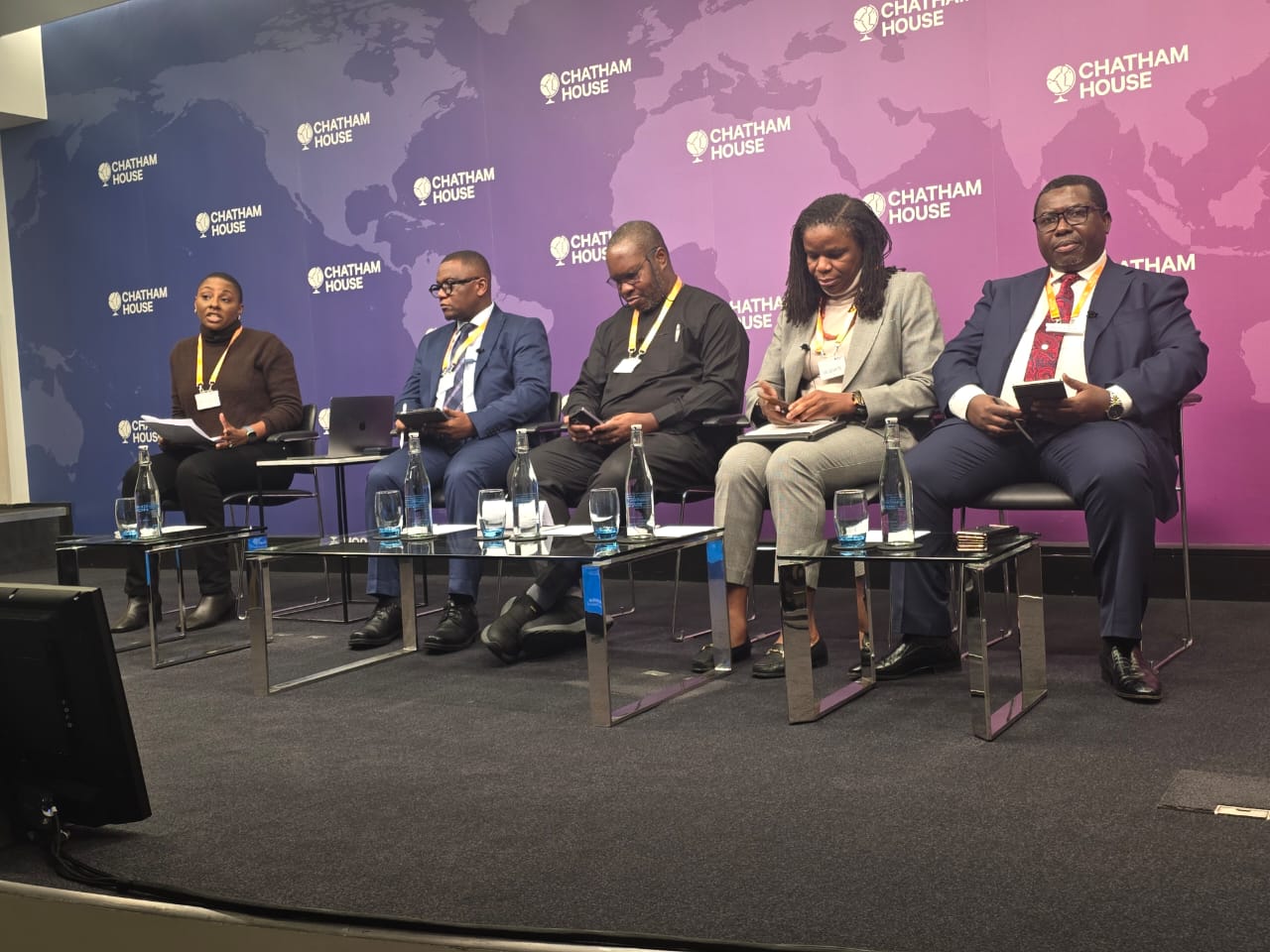
The Independent National Electoral Commission has introduced new technical safeguards to prevent inaccurate election results from being uploaded to its Result Viewing Portal (IReV) ahead of the 2027 general elections.
INEC Chairman, Prof. Joash Amupitan, disclosed this on Thursday during a high-level dialogue at Chatham House, London, organised in partnership with the Kimpact Development Initiative.

The chairman said the measures followed an assessment of the 2023 general elections, which exposed weaknesses in the country’s result management process, particularly at collation centres.
Acknowledging the damage caused by the 2023 election controversies, Amupitan said, “First and foremost, let me speak about what happened in 2023, which resulted in a significant trust deficit for INEC—damage so large that the Commission has not yet fully recovered from it.”

On the new safeguards, he explained that the Commission had developed a technical mechanism to prevent inaccurate figures and results involving over-voting from appearing on IReV.
“We have now devised a technical safeguard: if a result is not accurate at the polling unit, it will not go to IReV at all,” he said.
“The moment a result appears on IReV, citizens can trust what they see. By eliminating inconsistencies at the source, collation will become a transparent formality.”
Amupitan also announced that INEC would conduct a nationwide mock accreditation and voting exercise on November 28, 2026, to test its preparedness for the 2027 elections.
“On the 28th of this month, we will conduct a mock accreditation and voting exercise across all states of the federation to simulate the presidential election and verify that we have gotten both accreditation and electronic result transmission right,” he stated.
The INEC chairman further disclosed that the Commission had upgraded its Bimodal Voter Accreditation System (BVAS), following reported malfunctions associated with extreme heat and storage conditions during the 2023 elections.
According to him, INEC has procured additional devices, reduced the maximum number of voters assigned to each BVAS machine from 1,250 to 850 and commenced plans for climate-controlled storage facilities across the states.
On preparations for the elections, Amupitan identified insecurity, logistics and result management as the Commission’s three major priorities.
He also confirmed that INEC was awaiting the release of outstanding funds for the 2027 elections, adding that assurances had been received that the money would be released before the end of November.
Defending his neutrality amid allegations linking his phone number to a controversial X account, the chairman denied operating the account and said the matter had been referred to the Department of State Services and the Inspector-General of Police for investigation.
He reaffirmed his commitment to the Constitution, declaring, “My loyalty is solely to the Constitution of the Federal Republic of Nigeria and the Electoral Act.”
Amupitan urged Nigerians, particularly young people, to remain engaged in the democratic process and avoid spreading unverified information.
“Misinformation remains one of the greatest threats to our democracy. Citizens must verify information before acting or sharing, and give our democracy the chance to succeed,” he said.
The presidential and National Assembly elections are scheduled for January 16, 2027, while governorship and State Houses of Assembly elections will hold on February 6, 2027.



Nollywood Actress, Bimbo speaks about Funke Akindele’s ugly past before her shining time
A colleague of Nollywood actress, Funke Akindele has spoken about Funke’s struggles in the past before she shot to limelight....


Mista Xto marks 30 years anniversary in music industry
Nigerian musician and entertainer, Mista Xto, is set to mark 30 years in the entertainment industry with a special anniversary...


Music star John Anderson dies at 71
Country music singer John Anderson, known for hits including Swingin’, Straight Tequila Night and Seminole Wind, has died at the...

INEC strengthens IReV safeguards, schedules November 28 mock poll

Yicura BioMed Advances Dual Capital and Industrial Strategy: Completes First Closing of Series B Financing Led by Gobi Partners

L’OCCITANE Celebrates 50 Years Of Provençal Craftsmanship With Holiday 2026 Collection

Zoho Rebuilds Campaigns Platform With Simpler Email and SMS, Native WhatsApp and AI Agent Workflows

Nigeria’s active mobile subscriptions cross 200 million in September, highest in 2 years

Court sentences christian mother to 14 years imprisonment for sharing faith with muslim woman

‘Suspend frequent travels in pursuit of money and attend to me’, heavily pregnant Jarvis to Peller

Nigeria meets OPEC quota for 5th consecutive month as daily peak hits1.84m barrels in September

Wike inducted into Idoma Hall of Fame, calls for shift in ‘politics of entitlement ‘

Ebola: Tinubu gov’t tells Nigerians not to panic

BREAKING: Suspected ‘Abu Odoma boys’ set Maikano Diesel Generator donated by Muri ablaze overnight at Idah LG

Research funding: Union demands 5% tax from 14 MDAs

2023: Senator Marafa, Ex-governor Yari defect to PDP
