
Health
Health sector reforms to save ₦850bn lost to medical tourism

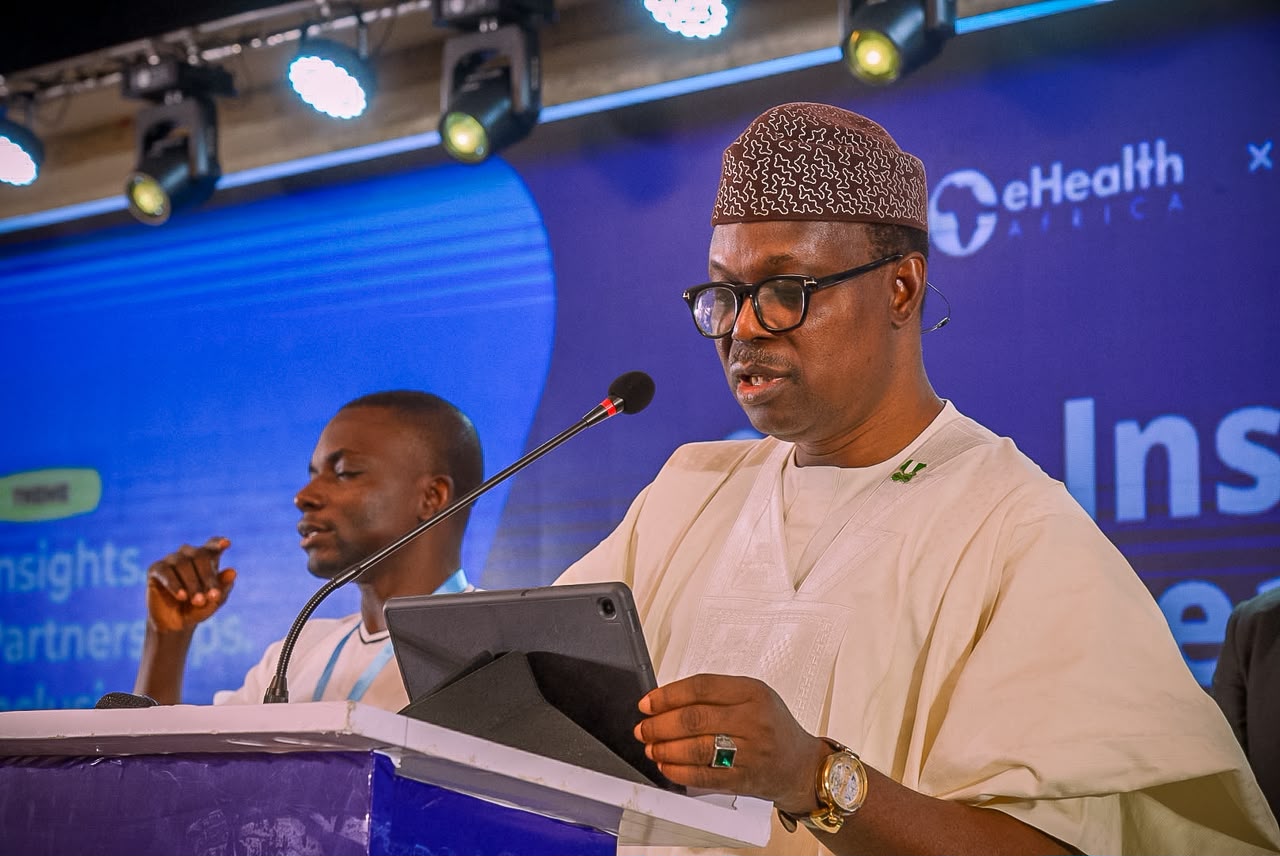
The Federal Government has said ongoing reforms in the health sector are expected to save Nigeria about ₦850 billion lost annually to outbound medical tourism while generating an estimated ₦4.8 trillion in annual economic returns through improved healthcare delivery and expanded access to quality medical services.
The Minister of State for Health and Social Welfare, Dr. Iziaq Adekunle Salako, disclosed this on Wednesday while delivering the keynote address at the Insights Learning Forum (ILF) 2026 in Abuja.

Speaking on the theme, “Strengthening National Health Systems Through Inclusive Policy, Innovation and Service Delivery,” Salako said the reforms, being implemented under the Nigeria Health Sector Renewal Investment Initiative (NHSRII) launched by President Bola Ahmed Tinubu in December 2023, are laying the foundation for a resilient, technology-driven and inclusive health system capable of achieving Universal Health Coverage (UHC).
He said the administration is replacing fragmented interventions with an integrated health system driven by digital innovation, strategic investment and evidence-based policies.

According to the minister, the National Digital Health Architecture, endorsed by all states and the Federal Capital Territory, is creating an interoperable digital health ecosystem anchored on the principle of “One Patient, One Health Record.” He added that innovations such as telemedicine are expanding access to quality healthcare, particularly in underserved communities.
Salako said the administration’s Eight-Point Health Agenda and Health Sector Strategic Blueprint are addressing workforce shortages, inadequate infrastructure, financing gaps and fragmented service delivery through coordinated implementation and stronger partnerships.
He noted that the reforms have the potential to reduce preventable maternal and child deaths by up to 50 per cent, improve health outcomes nationwide and significantly curb medical tourism.
Highlighting progress made so far, the minister said the government has developed more than 21 strategic health policies, expanded health insurance coverage, commenced over 500 high-impact health infrastructure projects, established 17 new federal tertiary health institutions and six Centres of Excellence for Cancer Care, revitalised primary healthcare facilities and strengthened the country’s health research system.
On healthcare financing, Salako reiterated the Federal Government’s support for increasing the Basic Health Care Provision Fund (BHCPF) from one to two per cent of the Consolidated Revenue Fund.
He disclosed that ₦235 billion out of the cumulative ₦339 billion approved under the BHCPF has been released by the current administration, including ₦32.9 billion disbursed in the second quarter of 2026 to support more than 8,300 Primary Healthcare Centres through performance-based financing.
The minister added that the government has intensified efforts to strengthen the health workforce through expanded recruitment and retention, implementation of the Health Workforce Migration Policy, engagement of Nigerian health professionals in the diaspora, revitalisation of over 3,000 primary healthcare centres, improved emergency ambulance services and interventions that have contributed to reductions in maternal and newborn deaths.
While acknowledging that challenges remain, Salako called on state governments, development partners, the private sector and health technology innovators to align with the Nigeria Health Sector Renewal Compact and the National Digital Health Architecture to eliminate duplication and ensure coordinated implementation of health programmes.
He reaffirmed the Federal Government’s commitment to delivering an equitable, efficient and technology-driven healthcare system that meets the needs of all Nigerians.
Salako also commended eHealth Africa for partnering with the Federal Ministry of Health and Social Welfare, particularly through the provision of solar power to 238 public health facilities across 12 states under the National Power for Health Initiative, strengthening health data systems and supporting the establishment of Public Health Emergency Operations Centres in several states.
He described the interventions as practical examples of how strategic partnerships can accelerate improvements in healthcare delivery across the country.





NAN Staff appointed Media Director, Ashaka Carnival Group
Mr Emmanuel Mogbede, an Assistant Editor in Chief of the News Agency of Nigeria (NAN)has been appointed as the Director...


Ayra Starr joins 2027 Coachella lineup alongside Dua Lipa, SZA, Madonna
Nigerian singer Ayra Starr has been named among the artistes scheduled to perform at the 2027 edition of the Coachella...


Blessing CEO admits faking cancer diagnosis to raise donations
Social media personality says financial pressure prompted fundraising stunt Social media personality Blessing Okoro, popularly known as Blessing CEO, has...

Yahaya Bello and Edward David Onoja’s sad legacy of a brutal administration (2016–2023)

Fasoranti: Where does Yorubaland go from here?

Presidency accuses opposition of spreading fake news over viral ‘Tinubu Must Go’ video

Diabetes Malaysia And Alpro Pharmacy Set National Record With 11,007 Most Blood Glucose Screenings Conducted Across Malaysia In Just 48 Hours

PayerMax and ShopeePay Strengthen Strategic Partnership to Advance Digital Payment Collaboration in Southeast Asia

APC ‘rented crowds’ to fill ’empty seats’ at Kaduna rally – Opposition ADC claims

Harry Kane of Bayern Munich is winner of 2026 Ballon d’Or after display – Arsenal Midfielder Declan Rice deckares

UbuntuCare Africa introduces ‘Gift Health’ to Nigerians at OffChart NXT 2026

Protest looms as PAAU increases school fees over 150% amid NELFUND intervention confusion [Investigation]

BREAKING. Imo West Senatorial District: Uzodinma loses as Court orders publication of Okorocha as candidate

BREAKING: Suspected ‘Abu Odoma boys’ set Maikano Diesel Generator donated by Muri ablaze overnight at Idah LG

Research funding: Union demands 5% tax from 14 MDAs

2023: Senator Marafa, Ex-governor Yari defect to PDP
