
News
Food security: UNIJOS students produce bread, mayonnaise, DVC seek funding

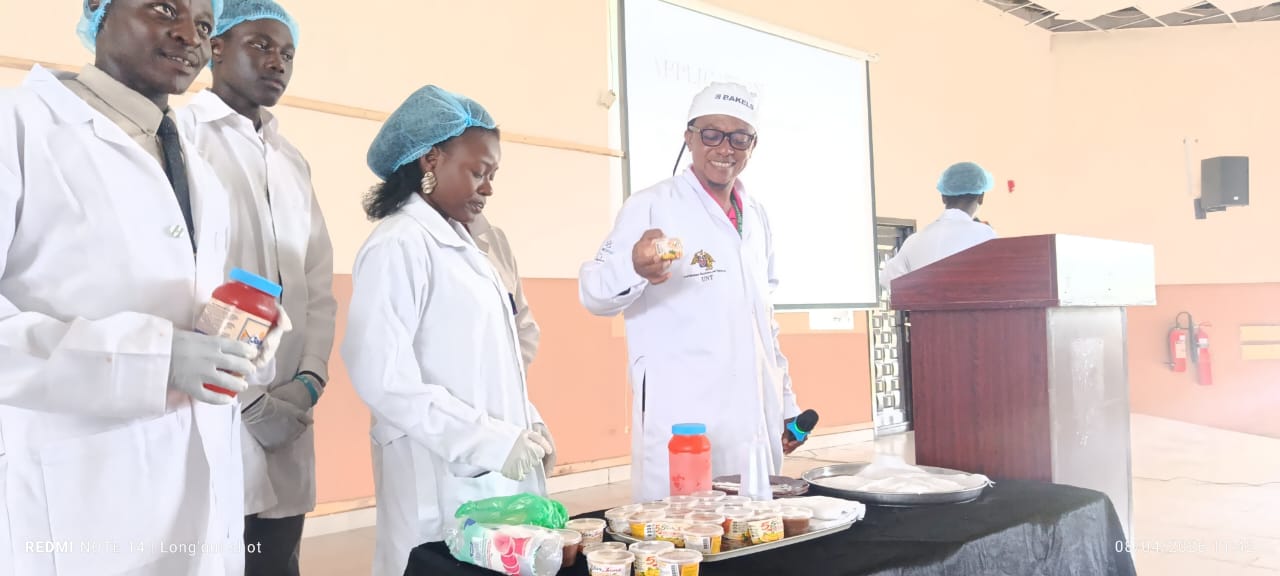
AS part of efforts to tackle Nigeria’s rising food insecurity, the University of Jos has highlighted the need for practical-based agricultural education, showcasing locally manufactured food products developed by its students.
The products, which include bread, mayonnaise, pineapple jam, and banana jam, were produced by 200-level students of the Faculty of Agriculture under the course, AGR 206: Introduction to Food Science and Technology.

The exhibition, aimed at demonstrating hands-on training in food processing, preservation, and value addition, was described by the institution as a step toward bridging the gap between classroom theory and industrial application.
Speaking after inspecting the exhibition, the Deputy Vice-Chancellor (Academic), Prof. Joshua Pam Chollom, said the display reflected the university’s commitment to producing “finish-product” graduates equipped with entrepreneurial skills.

He noted that the era of depending solely on theoretical knowledge was over, stressing that the university had shifted its focus toward preparing students for self-reliance.
“I feel proud seeing what our students are doing because that is the essence of establishing the University of Jos. It is not just about learning theory; our emphasis has always been on blending theory with practicals, and this is exactly what we are witnessing today.
“These products demonstrate that the students have successfully translated what they learnt in the classroom into practical solutions,” Cholom said.
Describing UNIJOS as a world-class institution, the DVC pointed out that the university continues to record one of the highest numbers of international students in the country due to its reputation for academic excellence.
However, he lamented the infrastructure deficit hindering the institution’s capacity to admit more students. According to him, the university receives over 50,000 applications annually but is forced to turn away many qualified candidates due to limited facilities.
He, therefore, called on the Federal Government to increase investment in tertiary education to expand infrastructure and research capabilities.
“I am convinced that if the government provides the necessary resources and substantially increases investment in universities, particularly faculties of agriculture, they have the capacity to help feed this country through research, innovation, and food processing,” he added.
Also present at the event, the Plateau State Commissioner for Water Resources and Energy, Hon. Bashir Lawandi Datti, commended the students for their innovation and urged them to scale up their production to meet market demands.
He said agriculture remains one of the most viable sectors for Nigeria’s economic growth and food sufficiency, adding that the knowledge and practical experience acquired by the students would contribute meaningfully to national development.
He encouraged them to continue exploring innovative ways of adding value to agricultural products and positioning themselves as future employers of labour.
The course lecturer, Prof. Olusegun Osibanjo, said the course was introduced under the National Universities Commission’s Core Curriculum and Minimum Academic Standards (CCMAS) to equip students with practical knowledge in food science, technology, and family life management.
He explained that the curriculum combines food science and technology with family and consumer sciences to expose students to modern methods of food production, processing, and household food management.
According to him, students are taught not only how to produce food but also how to apply science and technology to process, preserve, and add value to agricultural products for commercial purposes.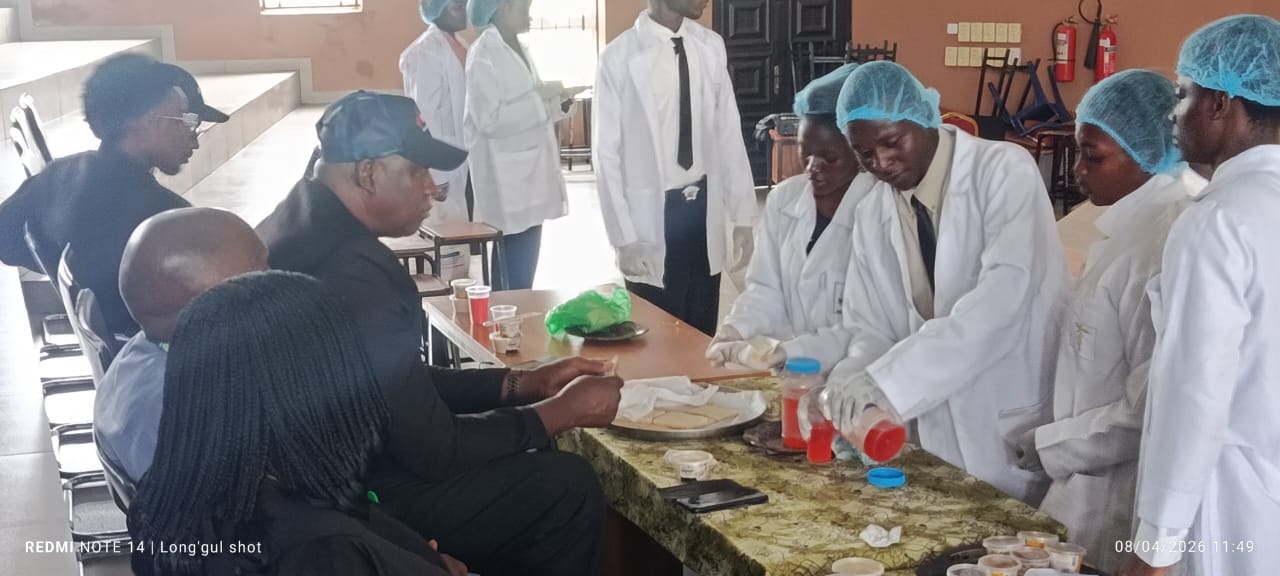
Prof. Osibanjo, a specialist in food science and technology, said the programme is designed to expose students to the immense opportunities within the agricultural value chain and encourage entrepreneurship through value addition.
He affirmed that the Faculty of Agriculture has the capacity to contribute meaningfully to addressing Nigeria’s food security challenges.











Frank Edwards: I could have owned three private jets if I had yielded to temptation
Gospel singer recounts how he rejected a lucrative music deal that required him to replace the name of Jesus with...


NAN Staff appointed Media Director, Ashaka Carnival Group
Mr Emmanuel Mogbede, an Assistant Editor in Chief of the News Agency of Nigeria (NAN)has been appointed as the Director...


Ayra Starr joins 2027 Coachella lineup alongside Dua Lipa, SZA, Madonna
Nigerian singer Ayra Starr has been named among the artistes scheduled to perform at the 2027 edition of the Coachella...
Ex-APC Senatorial aspirant backs Kalu, pledges to collapse campaign structure for him

Tinubu leads APC 2027 re-election campaign in Ibadan, promises greater prosperity

Reps Committee members on FCT FCT Felicitate Hon Betara @ 60

PCRC Chairman Olaniyan backs State Police bill, urges President Tinubu to assent it

Jimmy insisted he remains Senior Pastor of Fountain of Life Church

APC ‘rented crowds’ to fill ’empty seats’ at Kaduna rally – Opposition ADC claims

UbuntuCare Africa introduces ‘Gift Health’ to Nigerians at OffChart NXT 2026

BREAKING. Imo West Senatorial District: Uzodinma loses as Court orders publication of Okorocha as candidate

Kogi: Suspected kidnappers informants arrested after robbery operation

America supported Biafra, lack morality to claims of Christian genocide – Gumi

BREAKING: Suspected ‘Abu Odoma boys’ set Maikano Diesel Generator donated by Muri ablaze overnight at Idah LG

Research funding: Union demands 5% tax from 14 MDAs

2023: Senator Marafa, Ex-governor Yari defect to PDP
