
Economy
Nigeria to phase out long standing self-assessment tax regime


The long-standing self-assessment tax regime in favour of an automated compliance system that enables authorities to validate company returns using independently sourced electronic data is to be phased out in Nigeria.
This followed a structural overhaul of tax administration, significantly reducing reliance on voluntary declarations and strengthening the government’s capacity to verify income at source.

The transition was highlighted by Tania Davids, Africa tax and transformation lead at KPMG, during a webinar titled “Strengthening the tax function to respond to regulatory changes.”
“In a future world, five to ten years from now, we’re looking at our returns in an automated fashion,” Davids said, outlining a model in which tax filings are digitally cross-checked against real-time transaction data.
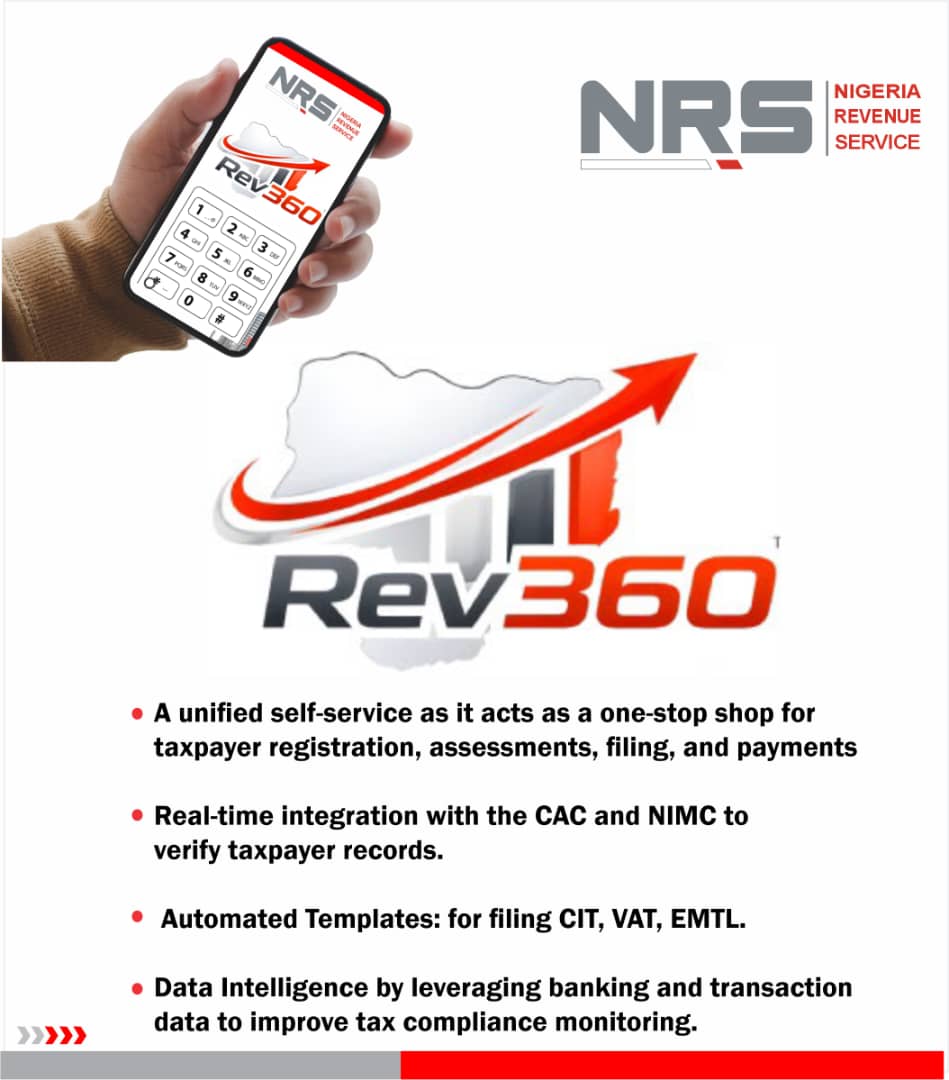
According to him, under the emerging framework, revenue authorities may already have access to a company’s revenue and expense profile before annual filings are submitted. This pre-validation capability is expected to narrow opportunities for underreporting and margin manipulation, while improving transparency across the tax ecosystem.
Electronic invoicing forms, he said, the backbone of the reform, stating that the system captures revenue at the transaction level and links supplier invoices directly to buyers’ expense records, and backed by third-party reporting from banks and financial institutions, discrepancies between declared income and recorded transactions can be flagged automatically.
Tax experts said the integration of independent financial data marks a decisive move toward data-driven enforcement, aligning Nigeria’s compliance architecture with global best practices.
They said large taxpayers have completed pilot phases and will face enforcement beginning in April 2026. Medium taxpayers are scheduled to go live in July 2026, with enforcement set for January 2027. Emerging taxpayers will be integrated into the framework in 2027.
The phased rollout signals a deliberate but firm transition toward a digitised tax environment, where compliance monitoring becomes continuous rather than periodic.
Analysts noted that the reform will require companies to strengthen internal tax governance, upgrade accounting systems, and ensure transaction-level accuracy, as inconsistencies will increasingly be identified in real time.
With automation poised to redefine compliance administration, Nigeria’s tax landscape is entering a new era—one driven less by declaration and more by data verification.









BB Bucks, kisses, fake eviction: How Temi Nkem won BBNaija Season II
From BB Bucks drama and a memorable custard episode to a controversial kiss with Tram, a fake eviction and a...


22-year Nigerian model moves beyond Lagos streets into global scene
A 22-year Nigerian model Rachel Ojuromi has taken her fashion career from the streets of Lagos to the global scene....


Geh Geh lashes Burna Boy over ₦9bn Bugatti, demands youth empowerment
Social commentator Geh Geh has criticised Afrobeats star Burna Boy over his newly acquired customised Bugatti Chiron VXX, reportedly valued...

Migo Robot Debuts at Hong Kong Electronics Fair (Autumn Edition) 2026, Exploring New Consumer Applications for Embodied AI Through Emotional Companionship
Fidelity Bank champions digital adoption, sustainable growth for Lagos SMEs

Senate finance committee screens President Tinubu’s nominees for FRC board

2027: Wike canvasses support for Tinubu for Nigeria’s economic recovery in Rivers

2027: Pro-Tinubu group pushes for voter cards collection to support re-election

Security: Combined security agents crush kidnappers in Kogi East, recovers dangerous weapons
22-year Nigerian model moves beyond Lagos streets into global scene

Kogi East Senator Isah Jibrin commences construction of ICT centre in Ankpa

BREAKING: NAF reveals identity of pilot, names of 25 dead soldiers on crashed aircraft

PC-NCG calls for immediate cessation of unauthorized activities in the name of proposed Nigerian Coast Guard

BREAKING: Suspected ‘Abu Odoma boys’ set Maikano Diesel Generator donated by Muri ablaze overnight at Idah LG

Research funding: Union demands 5% tax from 14 MDAs

2023: Senator Marafa, Ex-governor Yari defect to PDP
