
Religion
NIREC: No Plan to Islamise Nigeria – Sultan

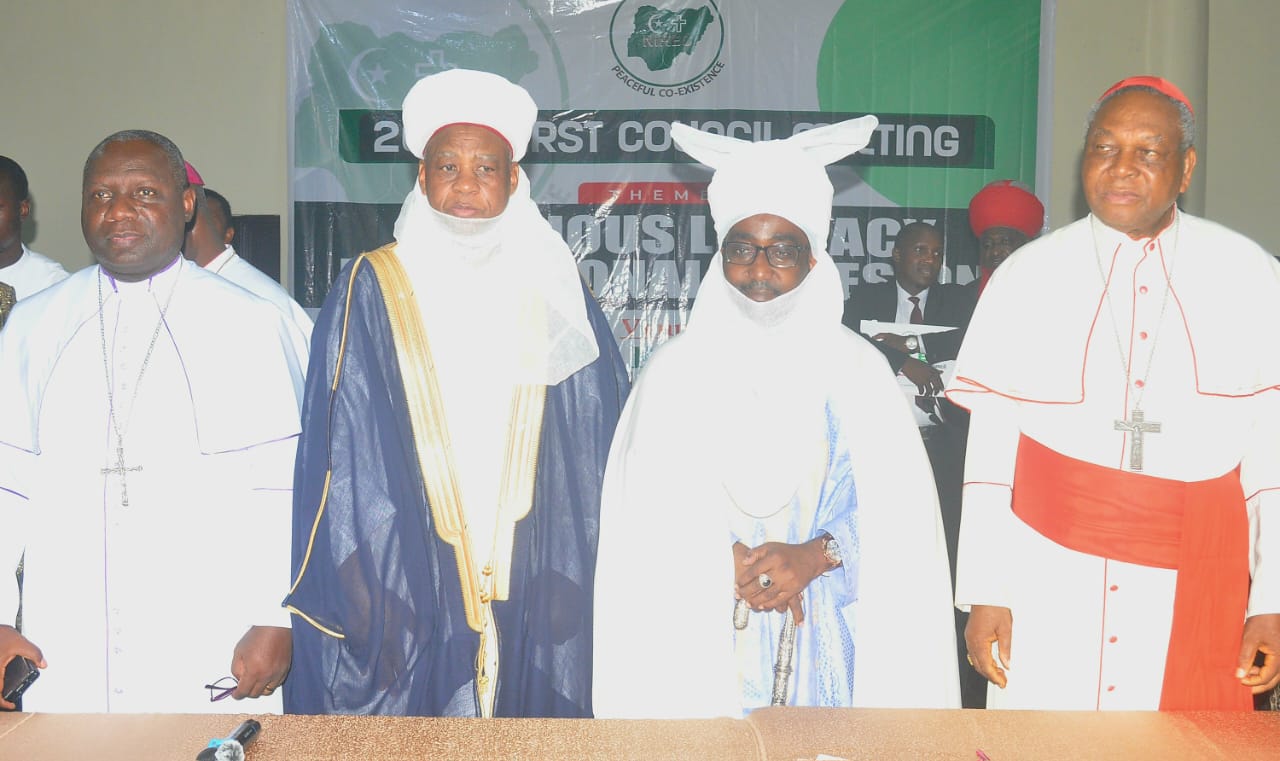
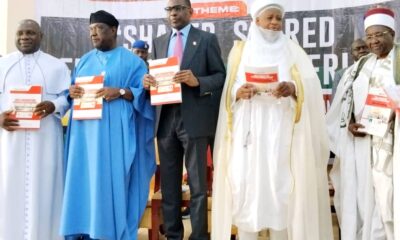
The Sultan of Sokoto, Alhaji Sa’ad Abubakar, on Wednesday dismissed claims that Muslims in Nigeria have an agenda to Islamise the country, insisting that no such plan exists.
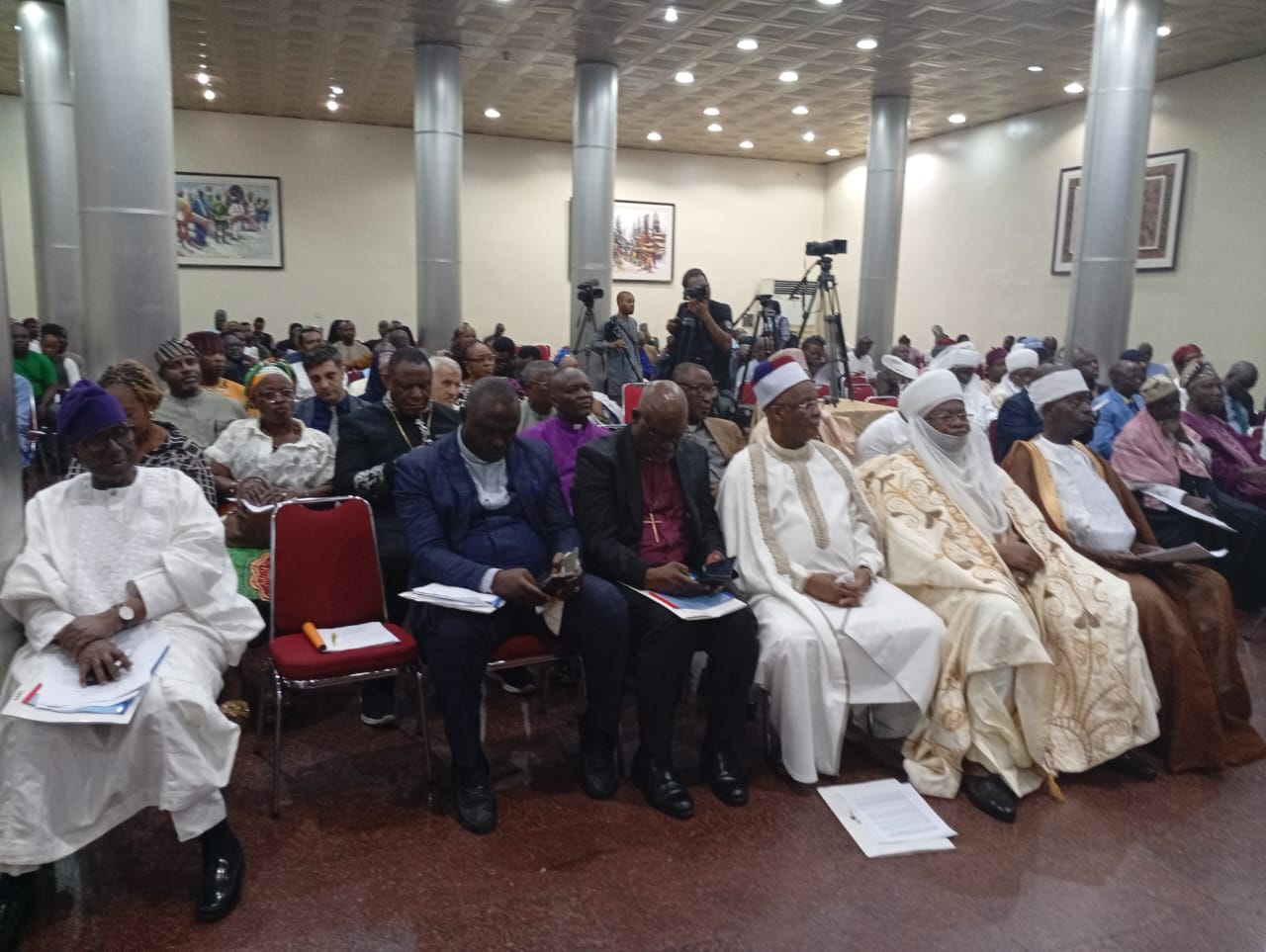
Speaking at the 2026 first meeting of the Nigeria Inter-Religious Council (NIREC) in Abuja, the Sultan said fears that Christianity is under threat in Nigeria are unfounded, stressing that both faiths must continue to coexist in mutual respect and understanding.

The meeting, themed “Religious Literacy for National Cohesion,” brought together key stakeholders to address growing concerns over insecurity and its perceived religious undertones, particularly in parts of northern Nigeria.
Addressing participants, the Sultan, who co-chairs NIREC, cautioned against linking acts of terrorism and banditry to any religion, noting that such narratives only deepen division and mistrust among citizens.

“As I stand here today, I want to affirm that Muslims in Nigeria are not planning anything like decimating the population of Christians,” he said. “We are not in any position to remove Christianity from Nigeria. It is not possible.”
He acknowledged that violence has affected both Muslims and Christians across the country, depending on regional demographics, and urged Nigerians to recognise terrorism as a criminal act rather than a religious one.
“Many Muslims have also been killed in this madness called banditry and terrorism. Let us call it what it is—terrorism—and stop bringing religion into it,” he added.
The Sultan also highlighted the importance of religious literacy, warning against the rise of self-acclaimed religious leaders lacking proper knowledge of faith teachings. According to him, understanding a language such as Arabic does not equate to deep knowledge of Islam.
He emphasised dialogue as the most effective tool for resolving conflicts, stating that NIREC remains committed to fostering conversations across religious divides.
“We believe that talking is better than fighting. We must learn to understand our differences,” he said.
In his remarks, the Co-Chairman of NIREC and President of the Christian Association of Nigeria (CAN), Archbishop Daniel Okoh, underscored the importance of promoting unity in Nigeria’s diverse society.
Okoh described Nigeria’s ethnic, cultural and religious diversity as a potential source of strength if properly harnessed, but warned that it could fuel division if mismanaged.
“Religious literacy is the cultivation of awareness, sensitivity and respect for the beliefs and practices of others,” he said. “It is a vital tool for building bridges of understanding, tolerance and peaceful coexistence.”
He called for reforms in education, urging schools, religious institutions, the media and civil society to promote values of tolerance and responsible citizenship.
“Our schools must not only teach the tenets of one’s faith but also foster respect for others. Our places of worship must become centres of enlightenment where peace and unity are consistently emphasised,” Okoh said.
Also speaking, the Secretary to the Government of the Federation (SGF), Senator George Akume, noted that while religious studies are already part of Nigeria’s curriculum, there is a need to improve the quality of teaching through better training, appropriate learning materials and inclusive classroom practices that promote empathy and respect.
With the 2027 general elections approaching, the SGF called on religious and traditional leaders, as well as civil society groups, to promote peaceful coexistence and guard against manipulation that could threaten national stability.
He warned against the misuse of religion to justify violence or discrimination, stressing that such actions undermine both faith and national unity.
“Whenever faith is used to inspire truth, mercy and service, the nation is strengthened. But when it is used to justify violence or falsehood, both religion and the country are diminished,” Akume said.








Australian music legend Molly Meldrum dies at 83
Australian music legend Molly Meldrum has died at the age of 83 following a long illness. The veteran music promoter...


Frank Edwards: I could have owned three private jets if I had yielded to temptation
Gospel singer recounts how he rejected a lucrative music deal that required him to replace the name of Jesus with...

NAN Staff appointed Media Director, Ashaka Carnival Group
Mr Emmanuel Mogbede, an Assistant Editor in Chief of the News Agency of Nigeria (NAN)has been appointed as the Director...

Hongkong Land, HKEX and Gammon turn 10 tonnes of construction waste into flood protection sandbags for the community

HKQAA International Green and Sustainable Finance Forum • 2026: Fostering Green Finance and Commodity Trading Ecosystems
MSIG Empowers Malaysian SMEs To Build Resilience and Pursue Growth with Confidence

7-Eleven’s “Grounds to Green” Cycle of Care Launches Two New 7-SELECT Juices Lemongrass Lemon Apple and Roselle Apple

Storefriendly Offers Same-Day Safety Box Rental and On-Site EV Charging at Peninsula West

UbuntuCare Africa introduces ‘Gift Health’ to Nigerians at OffChart NXT 2026

BREAKING. Imo West Senatorial District: Uzodinma loses as Court orders publication of Okorocha as candidate

Kogi: Suspected kidnappers informants arrested after robbery operation

America supported Biafra, lack morality to claims of Christian genocide – Gumi

NELFUND set to stop students collecting tuition fees after loan payment

BREAKING: Suspected ‘Abu Odoma boys’ set Maikano Diesel Generator donated by Muri ablaze overnight at Idah LG

Research funding: Union demands 5% tax from 14 MDAs

2023: Senator Marafa, Ex-governor Yari defect to PDP
