
News
SunTrust Bank faces leadership crisis as six senior executives reportedly resign amid EFCC probe

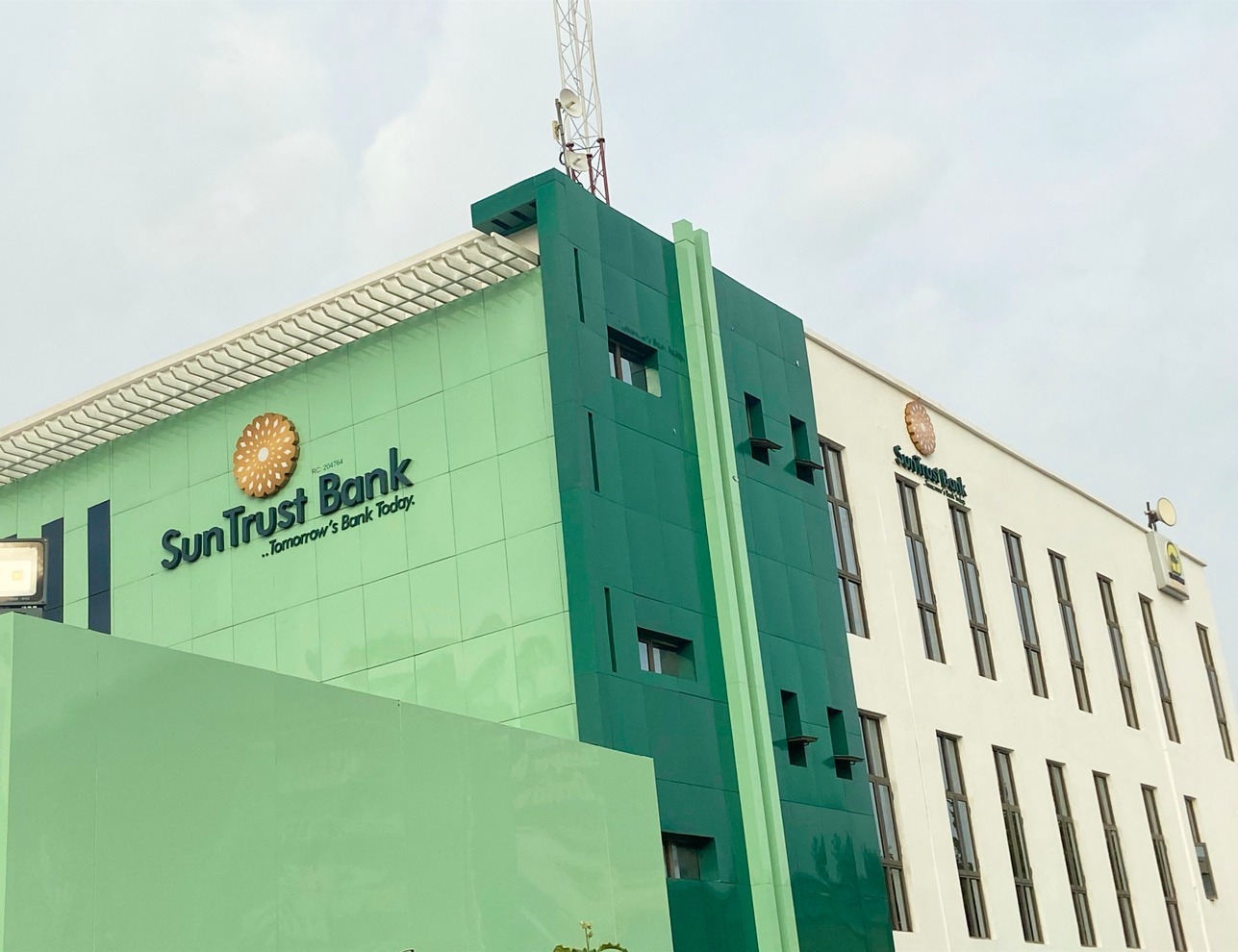
Fresh questions have emerged over the leadership and corporate governance of SunTrust Bank Limited following reports that six senior management officials and a non-executive director have submitted resignation letters amid internal disagreements and an ongoing Economic and Financial Crimes Commission (EFCC) prosecution involving two top executives.
The reported departures have raised concerns about management stability, ownership influence and disagreements over the bank’s recapitalisation arrangements.

Arho Akpe, a longtime non-executive director of the bank, is reported to have resigned amid growing tensions within the institution.
Six senior officials have also allegedly tendered their resignation letters. However, sources familiar with the situation claim the bank’s board has yet to formally accept their requests.

Although the precise reasons for the reported exits have not been independently established, insiders attribute the developments to disagreements over the bank’s strategic direction, governance structure and internal decision-making processes.
Efforts to resolve the dispute are reportedly underway, with board chairman Olanrewaju Shittu and director Mohammed Barde said to be holding discussions with the affected officials in an attempt to prevent further departures.
EFCC Prosecution Adds to Scrutiny
The reported leadership tensions come as SunTrust Bank’s Managing Director and Chief Executive Officer, Halima Buba, and Executive Director and Chief Compliance Officer, Innocent Mbagwu, face criminal proceedings initiated by the EFCC.
The anti-graft agency reportedly arraigned the two executives on a six-count charge involving alleged unlawful cash transactions and money laundering linked to approximately $12 million.
The allegations have also been linked to businesswoman Aisha Achimugu.
The case remains before the court. Neither the charges nor the allegations against the defendants should be treated as proof of guilt, as they are presumed innocent unless proven otherwise through due legal process.
While the prosecution concerns specific financial transactions, the reported management disagreements have drawn attention to broader questions about the bank’s corporate governance and the relationship between ownership interests and executive authority.
Questions Over Ownership and Influence
Sources within the institution have raised concerns about the alleged level of influence exercised by Mohammed Barde over the bank’s ownership and management decisions.
According to the claims, Barde holds or exercises control over approximately 70 per cent of the bank’s equity through direct interests and shares allegedly held by other individuals on his behalf.
These assertions have not been independently verified.
Nevertheless, insiders claim that the perceived concentration of ownership influence has become a source of disagreement among some directors and senior officials, particularly over the independence of the bank.
The extent of any beneficial ownership interests, as well as the nature of the relationships between the individuals involved, would require confirmation from relevant corporate records and the parties concerned.
Recapitalisation Concerns
The bank’s recapitalisation arrangements have reportedly emerged as another area of contention, with questions being raised about the sources of funds used to satisfy applicable regulatory capital requirements.
Sources suggest that disagreements surrounding the capital-raising process have contributed to the tensions within the institution.
However, no publicly verified finding has established wrongdoing in connection with SunTrust Bank’s recapitalisation activities.
The distinction is important, as concerns attributed to insiders do not, in themselves, establish a breach of banking regulations or financial misconduct.
Governance and Regulatory Implications
The reported developments come at a sensitive time for SunTrust Bank, given the importance of stable leadership, effective oversight and public confidence in Nigeria’s financial system.
The Central Bank of Nigeria’s regulatory and corporate governance requirements place significant emphasis on board accountability, risk management, transparency and appropriate controls within financial institutions.
If substantiated, material governance deficiencies could attract regulatory scrutiny, depending on their nature and severity.
For now, the reported resignations, ownership-related concerns and disagreements over recapitalisation remain issues requiring clarification from the bank and the individuals involved.
Attention is expected to centre on whether SunTrust Bank will formally confirm the reported management changes, explain the circumstances surrounding the departures and address questions about its ownership and governance arrangements.
The outcome of the EFCC proceedings involving Buba and Mbagwu will also remain a separate but significant development as the bank navigates the challenges surrounding its leadership and corporate affairs.








NAN Staff appointed Media Director, Ashaka Carnival Group
Mr Emmanuel Mogbede, an Assistant Editor in Chief of the News Agency of Nigeria (NAN)has been appointed as the Director...


Ayra Starr joins 2027 Coachella lineup alongside Dua Lipa, SZA, Madonna
Nigerian singer Ayra Starr has been named among the artistes scheduled to perform at the 2027 edition of the Coachella...


Blessing CEO admits faking cancer diagnosis to raise donations
Social media personality says financial pressure prompted fundraising stunt Social media personality Blessing Okoro, popularly known as Blessing CEO, has...

SunTrust Bank faces leadership crisis as six senior executives reportedly resign amid EFCC probe

Amaechi accuses Akpabio of collecting 50% from NDDC contractors

US Court orders Polaris Bank to pay Danish firm $6.21m from frozen funds

Kano Governor’s wife’s orderly arrested over Zainab Kwankwaso’s disappearance

Fidelity Bank champions growth of Africa’s creative economy at CANEX WKND 2026

Court sentences christian mother to 14 years imprisonment for sharing faith with muslim woman

‘Suspend frequent travels in pursuit of money and attend to me’, heavily pregnant Jarvis to Peller

Nigeria meets OPEC quota for 5th consecutive month as daily peak hits1.84m barrels in September

Ebola: Tinubu gov’t tells Nigerians not to panic

The silent killer among Nigeria’s youth

BREAKING: Suspected ‘Abu Odoma boys’ set Maikano Diesel Generator donated by Muri ablaze overnight at Idah LG

Research funding: Union demands 5% tax from 14 MDAs

2023: Senator Marafa, Ex-governor Yari defect to PDP
