
Politics
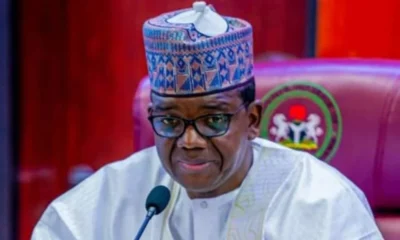
Matawalle in the eye of storm over alleged bribe bid to silence US lawmaker

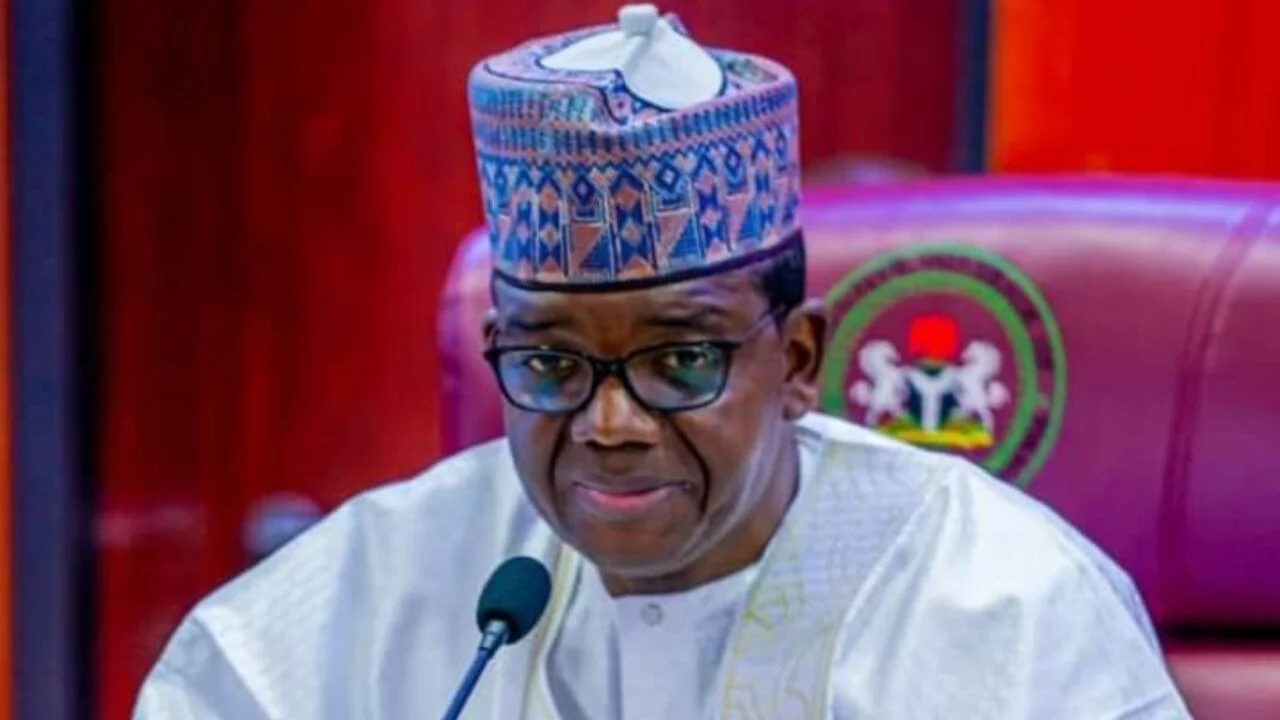
A fresh controversy has emerged over Nigeria’s deepening insecurity crisis, following allegations by a United States lawmaker that the Minister of State for Defence, Bello Matawalle, attempted to suppress international scrutiny of ongoing killings across parts of the country.
The claims were made during a Facebook live broadcast by Kimberly Daniels, a member of the Florida House of Representatives and Chair of the United World Congress of Diplomats (UN-WCD). She accused the minister of seeking to influence American officials through inducements and coordinated messaging.

Daniels alleged that after issuing a recent statement on what she described as targeted killings of Christians in Nigeria, she came under pressure from individuals she linked to the minister.
According to her, these included attempts to discredit her report and efforts to “buy support” from US-based elected officials.

She further claimed that an unnamed American lawmaker was offered financial inducement to publicly counter her position and defend Nigeria’s defence leadership.
Daniels said she had seen evidence of communication, including a prepared statement and promotional materials, allegedly connected to the minister.
The Nigerian government is yet to respond to the allegations as of the time of filing this report.
The controversy follows an earlier report released on April 14, 2026, by Daniels in her capacity as head of the UN-WCD, raising concerns over escalating violence in Nigeria’s North Central and North West regions. The report referenced attacks during the Easter period in states such as Plateau, Kaduna and Nasarawa, pointing to what it described as a widening gap between official assurances and realities on the ground. It also questioned the continued leadership of the defence ministry under Matawalle, citing “credibility and integrity concerns,” including past allegations of complicity with armed groups during his tenure as governor of Zamfara State.
The document recommended a review of Nigeria’s security leadership and urged President Bola Ahmed Tinubu to initiate reforms, including a possible redeployment of the minister and a transparent investigation into the claims.
During her broadcast, Daniels maintained that her intervention was based on testimonies from affected communities, diaspora accounts and findings from the UN-WCD’s multinational network spanning the United States, Nigeria, Ghana, the United Kingdom and Canada.
“I am speaking on behalf of people who say they are under attack,” she said, stressing that her call was for investigation rather than outright accusation.
She also dismissed alleged attempts to intimidate or silence her, asserting her constitutional right as an elected official to speak on international human rights concerns.
The allegations come amid renewed global attention on insecurity in Nigeria, particularly in rural and agrarian communities where attacks have persisted despite government assurances and ongoing military operations.
Analysts warn the development could introduce a diplomatic dimension to Nigeria’s internal security challenges if the claims prompt formal inquiries from US authorities or international organisations.
Within Nigeria, reactions remain mixed, with some stakeholders calling for caution and thorough verification, while others warn against politicising the country’s security situation.
As of press time, the bribery claims remain unverified, and the defence ministry has not issued any official response.
However, the unfolding dispute highlights growing international scrutiny of Nigeria’s security architecture and underscores the importance of transparency in addressing allegations involving public officials.









BB Bucks, kisses, fake eviction: How Temi Nkem won BBNaija Season II
From BB Bucks drama and a memorable custard episode to a controversial kiss with Tram, a fake eviction and a...


22-year Nigerian model moves beyond Lagos streets into global scene
A 22-year Nigerian model Rachel Ojuromi has taken her fashion career from the streets of Lagos to the global scene....


Geh Geh lashes Burna Boy over ₦9bn Bugatti, demands youth empowerment
Social commentator Geh Geh has criticised Afrobeats star Burna Boy over his newly acquired customised Bugatti Chiron VXX, reportedly valued...
Solomon Credit Management and SACH Plan Joint Venture to Expand Healthcare and Wellness Brands Across Southeast Asia

Via Appia Tagaytay Named Emerging Hotel in Asia at the ACES Awards 2026

UTCC Wins Three Prestigious Awards from ACES Awards 2026

Mountains and Seas Unite for a New Chapter — The Time to Sojourn in Guizhou Is Now: “Sojourn in Guizhou” International Promotion Conference Held in Macao

FastMed Announces the List of General Practitioners in Wan Chai, Covering Clinic Locations, Consultation Hours and Appointment Information

Security: Combined security agents crush kidnappers in Kogi East, recovers dangerous weapons
22-year Nigerian model moves beyond Lagos streets into global scene

Kogi East Senator Isah Jibrin commences construction of ICT centre in Ankpa

PC-NCG calls for immediate cessation of unauthorized activities in the name of proposed Nigerian Coast Guard

BREAKING: NAF reveals identity of pilot, names of 25 dead soldiers on crashed aircraft

BREAKING: Suspected ‘Abu Odoma boys’ set Maikano Diesel Generator donated by Muri ablaze overnight at Idah LG

Research funding: Union demands 5% tax from 14 MDAs

2023: Senator Marafa, Ex-governor Yari defect to PDP
