
News
Electoral act amendment passes third reading in Senate amid rejection of electronic transmission of election results


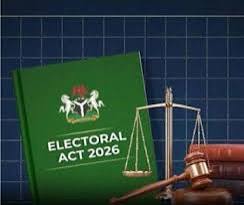
The electoral act amendment has passed third reading in the Nigerian Senate on Tuesday after a thorough clause by clause debate, thereby approving some far reaching changes ahead of 2026 general election.
The election timelines have been changed, the amendment touched voter accreditation technology and penalties, while some key provision in the Electoral Act 2022 were retained.

The much expected electronic transmission of election results in real time from the polling unit directly to the Independent National Electoral Commission, INEC result viewing portal was rejected.
CAPITAL POST gathered that the electronic transmission of results in real time was recommended by the Senator Solomon Lalong’s report submitted to the Senate. Meanwhile, the House of Representatives in passage of the amendment act, upheld the real time electronic transmission of results, arguing that it would be difficult to rig the results.

Senators during the legislative debate rejected electronic transmission of results under Clause 60, but made compulsory for presiding officers to upload polling unit results to the INEC Result Viewing Portal (IREV) in real time after results were signed.
Instead, the Senate retained the current provision that allows the Independent National Electoral Commission (INEC) to determine “the manner in which results and accreditation data are transferred.”
On voter identification and accreditation under Clause 47, the Senate formally replaced the use of “smart card readers” with the Bimodal Voter Accreditation System (BVAS). However, lawmakers rejected the introduction of electronically generated voter identification, insisting that the Permanent Voter Card (PVC) remains the only valid means of identification at polling units.
The bill also revises key election timelines. Under Clause 28, the notice of election period was reduced from 360 days to 180 days before an election, while Clause 29 shortens the deadline for submission of candidates’ lists from 180 days to 90 days before a general election.
On offenses and penalties, related to PVCs under Clause 22, the Senate rejected a proposed 10-year jail term for buying or selling voter cards, but retained the existing two-year imprisonment option and increased the fine from ₦2 million to ₦5 million.
Lawmakers also struck out Clause 142, which would have allowed proof of non-compliance in election petitions using only original or certified documents without oral evidence. The clause was removed to avoid what senators described as unnecessary delays in court proceedings.
On ballot paper inspection under Clause 44, the Senate retained the current procedure, which requires INEC to invite political parties to inspect sample electoral materials at least 20 days before an election. Political parties are also given two days to submit written approval or disapproval of their details on the samples.
With its passage, the amended Electoral Act now moves to the next legislative stage, setting the framework for the conduct of future elections under revised timelines and procedures.







‘Suspend frequent travels in pursuit of money and attend to me’, heavily pregnant Jarvis to Peller
“Money isn’t everything. You are chasing money more than the baby that is coming and my own mental health. Your...


BB Bucks, kisses, fake eviction: How Temi Nkem won BBNaija Season II
From BB Bucks drama and a memorable custard episode to a controversial kiss with Tram, a fake eviction and a...


22-year Nigerian model moves beyond Lagos streets into global scene
A 22-year Nigerian model Rachel Ojuromi has taken her fashion career from the streets of Lagos to the global scene....

Protecting Sight from Childhood to Adulthood: Orbis and HKUMed Tackle Hong Kong Myopia Crisis

SIM Academy Examines How Working Adults Can Build New Skills for a Changing Workplace

Malaysian Tech Firm CDC Highlights Responsible AI Adoption In Public Procurement

2027: Ilorin Emir prays for Senator Mustapha ‘s election success

BREAKING: Electricity supply disrupted as power generation crashes to 476MW again
22-year Nigerian model moves beyond Lagos streets into global scene

Security: Combined security agents crush kidnappers in Kogi East, recovers dangerous weapons

PC-NCG calls for immediate cessation of unauthorized activities in the name of proposed Nigerian Coast Guard

Kogi East Senator Isah Jibrin commences construction of ICT centre in Ankpa

BREAKING: NAF reveals identity of pilot, names of 25 dead soldiers on crashed aircraft

BREAKING: Suspected ‘Abu Odoma boys’ set Maikano Diesel Generator donated by Muri ablaze overnight at Idah LG

Research funding: Union demands 5% tax from 14 MDAs

2023: Senator Marafa, Ex-governor Yari defect to PDP
