
Economy
Economic Reforms: Presidency faults Atiku, Obi, El- Rufai, warns of emptying Nigeria’s foreign reserves


As political activities ahead of 2027 unofficially begins, the presidency has reacted to the proposed economic reforms by stalwarts of the opposition African Democratic Congress, ADC, saying their proposed economic reforms were unsustainable and would empty the nation of its foreign reserves.
The former Vice President Atiku Abubakar, the former presidential candidate of the Labour Party in the 2023 general election, Mr. Peter Obi, former Minister of Transportation, Rotimi Amaechi, former Governor of Osun State, Rauf Aregbesola and the immediate past governor of Kaduna State, Malam Nasir El-Rufai plotted strategies for economic reforms if the opposition unseat President Bola Ahmed Tinubu in 2027.

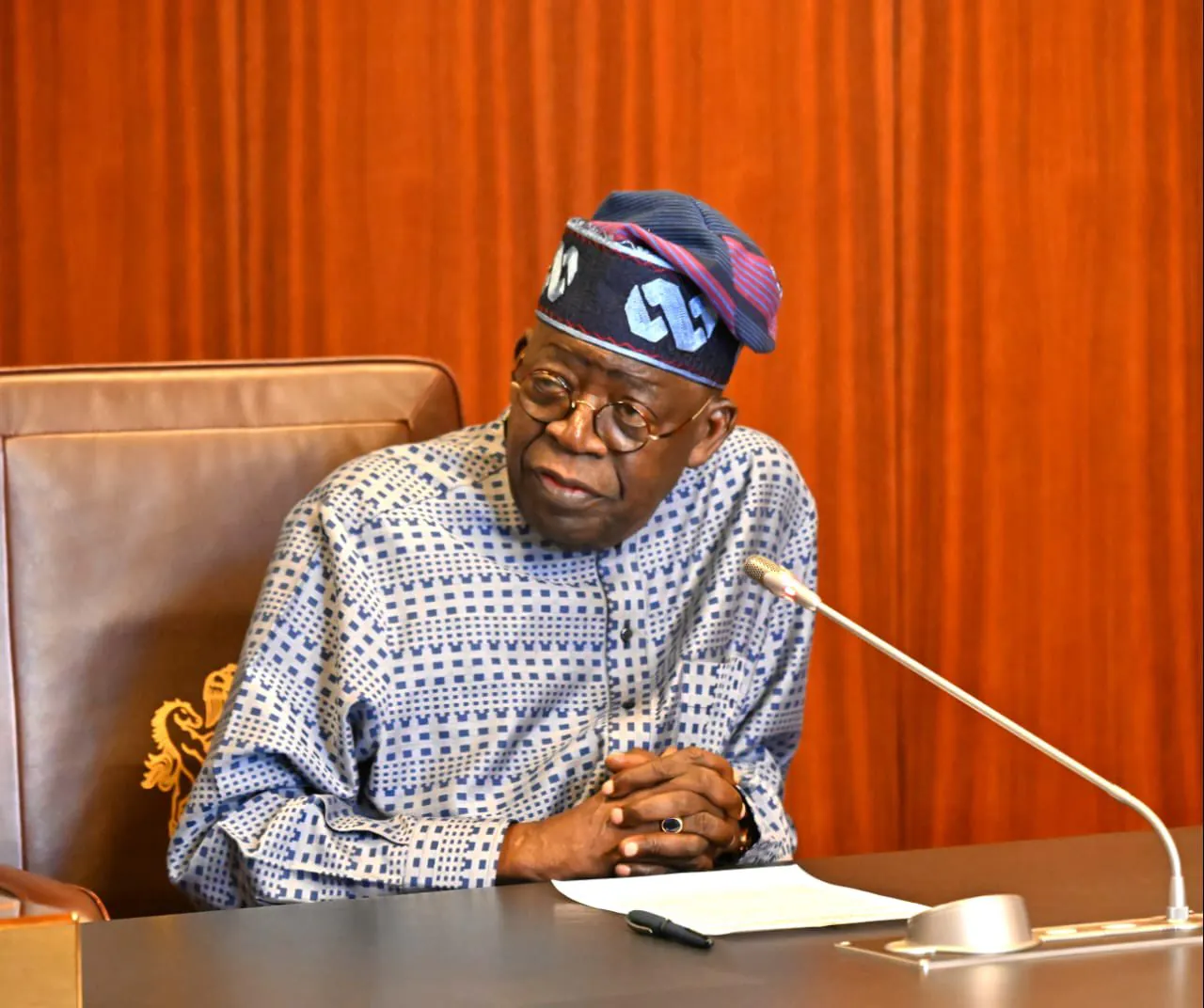
In a statement on Monday which was issued by O’tega Ogra, Senior Special Assistant to the President on Digital Communications, Engagement and Strategy, said, the proposed economic reforms would amount to invitation to failure, adding that Atiku Abubakar’s “acceptable rate” is the same illusion that emptied Bulgaria’s reserves and shattered its peg.
“Peter Obi’s “phased removal” is the same phased lie Bulgaria told itself until the economy collapsed. Nasir El-Rufai’s warning about “too much at once” is exactly what Bulgaria’s leaders said before the crash.

“Rauf Aregbesola’s “prioritise the people before the economy” mirrors Bulgaria’s fatal separation of the two, where the collapse of the economy destroyed the very livelihoods they claimed to protect – as if the economy is not the lifeline of the people.
“Rotimi Amaechi’s call to slow down is the same thinking that turned hardship into collapse.”
He stated that a soft peg without deep reserves burns credibility while draining scarce foreign exchange.
“Partial liberalisation keeps the price distortions that breed shortages and arbitrage. Delaying the clean-up of state owned enterprises only compounds losses and pushes the real costs into the future.
“Once you retreat from hard reforms, investor trust evaporates, deficits swell again, and the cost of borrowing climbs. The longer you wait, the fewer options remain when the next shock comes. And when that bill finally arrives, it is always larger than it would have been if settled early.
“In 1990, Bulgaria called it gradual reform. By 1996, pensions were worthless, shops and shelves were empty, and the same politicians who promised a soft landing had fled the wreckage.
“Bulgaria forced a desperate rescue the following year under conditions far harsher than anything they had wanted to avoid. I confidently repeat that, in Nigeria, those pushing this fantasy today won’t be around to clean up the mess tomorrow.
“The only question is whether we have the discipline to finish the job or whether we hand the steering wheel back to the people who drove us into the ditch in the first place.
“Nigeria is not Bulgaria in 1990. We won’t drift toward collapse because a few familiar names prefer popularity over responsibility. The alternative is to hold the line and let the compounding work in our favour. Clean our books and keep the auction rulebook predictable.
“Keep subsidy savings transparent and tied to visible projects so citizens can see where the money now goes. Keep monetary policy tight until inflation is back within a credible band and do not second‑guess the float with administrative fixes that markets will immediately punish.
“The IMF’s recent assessment underscored that Nigeria’s policy direction restores repayment capacity and anchors stability if pursued consistently. That is the quiet endorsement that disciplined reformers earn.
“Because this debate won’t end here, it’s worth meeting the counter‑arguments head on. Some say the pain in households is too high and too fast. The truth is the subsidy was never free. It was paid through bad roads, weak schools, failing hospitals and heavy borrowing that our children would service. Redirected savings are how you rebuild those services. Others say the float has made the naira too weak and that we should fix it at a stronger number.
“A number without reserves is only a promise. Market test promises. Bulgaria failed that test in 1990 and paid for it in 1996. Nigeria should not repeat it. Another claim is that investors are not yet flooding in, so reforms are not working.
“They rarely flood in at the start. They watch for consistency, then move quickly. The late‑2024 surge in portfolio inflows is exactly that early signal. Hold the line and the longer term money follows.
“Nigeria’s path is not without discomfort, but it’s the only one that gives us a fighting chance to rebuild. The facts of upward, positive change are not in dispute. It’s already producing the first signs of stability and renewed investor interest.
“The trajectory, if we hold it, leads to a competitive and credible naira, a fiscally stronger state investing in power, roads, and schools instead of fuelling petrol imports, and an economy where capital flows in because the rules are predictable and the numbers add up. Growth will no longer be hostage to oil prices alone, and the non-oil revenue gains of the current and past year are the proof.”
O’tega maintained that the same Nigerians who today feel the sting will one day stand as proof that under President Bola Tinubu, Nigeria chose courage over comfort, and that choice changed the destiny of the nation for good and forever.







Music star John Anderson dies at 71
Country music singer John Anderson, known for hits including Swingin’, Straight Tequila Night and Seminole Wind, has died at the...


‘Suspend frequent travels in pursuit of money and attend to me’, heavily pregnant Jarvis to Peller
“Money isn’t everything. You are chasing money more than the baby that is coming and my own mental health. Your...


BB Bucks, kisses, fake eviction: How Temi Nkem won BBNaija Season II
From BB Bucks drama and a memorable custard episode to a controversial kiss with Tram, a fake eviction and a...

APC chieftain Ugonoh backs Tinubu’s bold reforms, second term bid

Tinubu travelled to Birnin Gwari amid security concerns in 2022 – Uba Sani

Kano Arewa Consultative Forum appoints interim leadership

FAWCAR Officially Enters the Italian Market with Five SUVs

Cushman & Wakefield Takes Best Deal of the Year and Valuation Team of the Year Winner Awards at RICS Hong Kong Awards 2026

22-year Nigerian model moves beyond Lagos streets into global scene

Security: Combined security agents crush kidnappers in Kogi East, recovers dangerous weapons

PC-NCG calls for immediate cessation of unauthorized activities in the name of proposed Nigerian Coast Guard
BB Bucks, kisses, fake eviction: How Temi Nkem won BBNaija Season II

BREAKING: NAF reveals identity of pilot, names of 25 dead soldiers on crashed aircraft

BREAKING: Suspected ‘Abu Odoma boys’ set Maikano Diesel Generator donated by Muri ablaze overnight at Idah LG

Research funding: Union demands 5% tax from 14 MDAs

2023: Senator Marafa, Ex-governor Yari defect to PDP
