
News
Tinubu’s government moves to mitigate petrol price hardship [Here’s the Explainer]

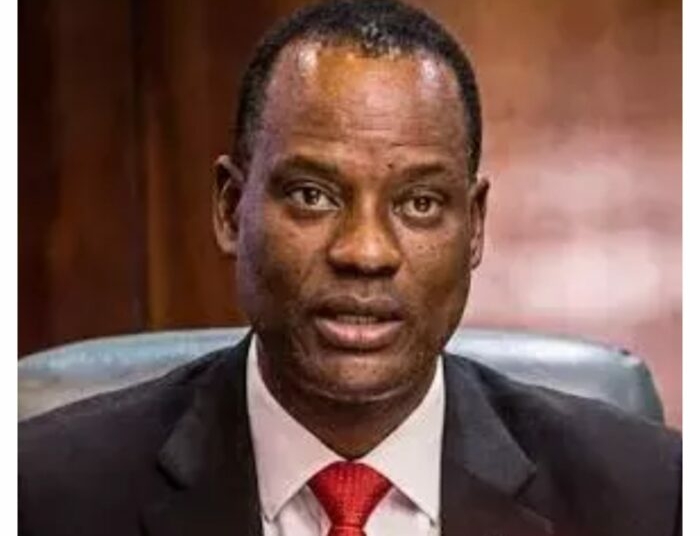
The President Bola Ahmed Tinubu-led administration has planned 10 measures to mitigate pain occasioned by petroleum price hike.
The Minister of Finance, Mr Taiwo Oyedele on Thursday announced the measures.

Here is what each one means.
Petrol now averages about N1,400 a litre, up from about N830 before the Gulf conflict began. Oyedele blamed the war, which is in its eighth month, for the rise. He said Brent crude is above $100 a barrel and that shipping through the Strait of Hormuz is at about 13 per cent of its pre-war level.

The 10 steps
1. NNPC discount. NNPC Limited stations will sell petrol at a margin discount for 30 days, with priority for public transporters nationwide. The government has not said how big the discount is or when it starts.
2. Forward sales of crude to local refineries. As production rises and crude already promised to others is freed up, more of it would be sold in advance to domestic refineries. The government says this would shield pump prices from swings in the global market.
3. Price ceiling. The government is negotiating a ceiling of N1,350 a litre on the ex-gantry or landing cost of petrol. That is the price at the depot or port, not at the pump. If costs rise above the ceiling, refiners and importers carry the difference and recover it later when crude prices or the exchange rate allow. The ceiling will be reviewed monthly and the figures published. The minister said it is “neither a subsidy nor a price control”. It is still under negotiation and not yet in force.
4. Removal of illegal levies. Working with the states under the 2025 tax reform laws, the government will act against road taxes and levies that raise fares and logistics costs.
5. More direct support. More money for cash transfers to the poorest households, and for subsidised credit to small businesses and consumers.
6. Faster CNG rollout. The federal government will scale up CNG deployment with the states. Oyedele said over 120,000 vehicles now run on CNG and fares have fallen by 30 to 50 per cent where CNG buses operate. Transporters are urged to pass savings on to passengers.
7. Excess profit tax. The government will consider a tax on operators anywhere in the energy value chain who take undue advantage of consumers. Proceeds would fund transport support or vouchers for urban minimum wage earners. The government will also work with the National Assembly on more tax relief for low-income earners in the 2027 Finance Bill. This one is only under consideration.
8. Less red tape. The government says it is cutting regulatory costs that feed into the cost of doing business and, indirectly, into the prices of goods and services.
9. National Strategic Fuel Reserve. The government is investing in a reserve of refined products. Stock would be released under published rules when a global disruption or hoarding threatens supply and prices. Oyedele said it is not a subsidy and does not fix prices.
10. Better traffic and logistics management. Traffic agencies are to improve the flow of vehicles in major cities to cut fuel use. NIPOST’s new address codes are meant to make logistics cheaper and more efficient.







BB Bucks, kisses, fake eviction: How Temi Nkem won BBNaija Season II
From BB Bucks drama and a memorable custard episode to a controversial kiss with Tram, a fake eviction and a...


22-year Nigerian model moves beyond Lagos streets into global scene
A 22-year Nigerian model Rachel Ojuromi has taken her fashion career from the streets of Lagos to the global scene....


Geh Geh lashes Burna Boy over ₦9bn Bugatti, demands youth empowerment
Social commentator Geh Geh has criticised Afrobeats star Burna Boy over his newly acquired customised Bugatti Chiron VXX, reportedly valued...

Tinubu’s government moves to mitigate petrol price hardship [Here’s the Explainer]

Israel assassinated Iran’s navy chief over fears he could lead a more dangerous IRGC – exclusive

Bandit kingpin Kachalla killed in rival gunfire

Abducted Corps Members were rescued under gunfire, not ransom payment – Imo Police Commissioner

Supreme Court Judgement: Shehu Sani advises affected candidates to stop wasting time, resources

Kogi East Senator Isah Jibrin commences construction of ICT centre in Ankpa

BREAKING: NAF reveals identity of pilot, names of 25 dead soldiers on crashed aircraft

BREAKING: Thugs pounce on ADC campaign vehicles in Koton-Karfe LG, several party supporters injured

PC-NCG calls for immediate cessation of unauthorized activities in the name of proposed Nigerian Coast Guard
22-year Nigerian model moves beyond Lagos streets into global scene

BREAKING: Suspected ‘Abu Odoma boys’ set Maikano Diesel Generator donated by Muri ablaze overnight at Idah LG

Research funding: Union demands 5% tax from 14 MDAs

2023: Senator Marafa, Ex-governor Yari defect to PDP
