
Politics
CSOs demand inclusive political reforms ahead of 2027 polls

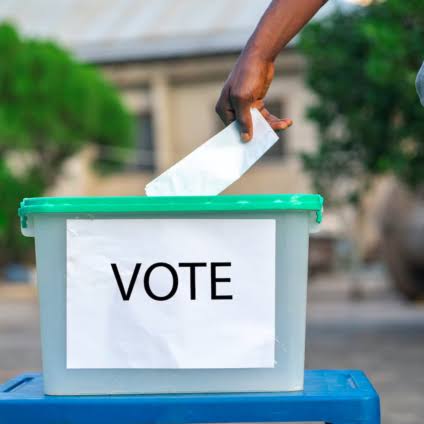
As Nigeria edges closer to the 2027 general elections, civil society organizations have urged urgent reforms to protect civic freedoms, address poverty, and rebuild public trust in the country’s electoral institutions.
The call was made in Abuja on Tuesday during a press conference jointly organized by the Women’s Rights Advancement and Protection Alternative (WRAPA) and the African Centre for Leadership, Strategy & Development (Centre LSD), with support from the MacArthur Foundation.

The event highlighted the findings of the Civic Space, Poverty & Election (CISPEN) Project, which the organizers described as a reform-focused initiative aimed at deepening democracy and ensuring inclusive political participation.
Speaking at the event, WRAPA’s Director of Programmes, Yemisi Nathaniel, noted that despite 25 years of uninterrupted democratic rule, Nigeria’s democratic system remains weakened by shrinking civic space, entrenched poverty, and a growing trust deficit in electoral processes.

She expressed concern about restrictions on civil society, journalists, and human rights defenders, warning against what she described as the “undemocratic use” of laws such as the Companies and Allied Matters Act (CAMA 2020) and the Cybercrime Act to silence dissent.
“Civic space is the heartbeat of democracy. When it is under siege, freedoms shrink and the very foundation of participatory democracy and accountable governance is eroded,” the groups warned.
On poverty, the organizations decried the fact that over 133 million Nigerians live in multidimensional poverty despite the country’s abundant human and natural resources, arguing that such deprivation makes citizens vulnerable to vote-buying and political manipulation.
Director of Strategy at Centre LSD, Itia Otabor, drew attention to concerns over electoral trust, particularly the appointment of the Independent National Electoral Commission (INEC) chairman. He argued that the process is too critical to be left to a few individuals.
“The position (INEC Chairmanship) is too critical to be left solely to the discretion of one or two individuals. We propose that the role be advertised publicly, with clear criteria outlining the qualifications expected of an INEC Chairman.
“Candidates should undergo thorough vetting, after which two or three names should be presented to the President, who would then exercise his prerogative in making a selection. The nominees should also be screened by the DSS and confirmed by the National Assembly.
“If adopted, this process would build trust, enhance inclusiveness, and ensure that whoever emerges has the pedigree and credibility required to discharge the responsibilities of the office effectively,” he said.
The groups also called for constitutional reforms to strengthen the neutrality and independence of INEC ahead of the 2027 elections.
As part of their next steps, they announced plans to popularize the findings of the CISPEN project through media campaigns, coalition-building with civil society groups and grassroots movements, sustained advocacy with policymakers, and expanded civic education targeting youth, women, and marginalized groups.
They further pledged to create monitoring tools and scorecards to hold leaders accountable as the elections draw closer.
The organizations urged the Executive and Legislature to integrate the recommendations from the CISPEN policy briefs into constitutional and legislative reforms, while also calling on the judiciary to uphold its duty as protector of democratic rights and urging INEC to prioritize transparency and neutrality.









Music star John Anderson dies at 71
Country music singer John Anderson, known for hits including Swingin’, Straight Tequila Night and Seminole Wind, has died at the...


‘Suspend frequent travels in pursuit of money and attend to me’, heavily pregnant Jarvis to Peller
“Money isn’t everything. You are chasing money more than the baby that is coming and my own mental health. Your...


BB Bucks, kisses, fake eviction: How Temi Nkem won BBNaija Season II
From BB Bucks drama and a memorable custard episode to a controversial kiss with Tram, a fake eviction and a...

“The Ruins Are Not Our Final Chapter”: Ene Obi Calls for Rebuilding Nigeria and Africa

How terrorists threaten my life for initiating dialogue for peace

XTransfer Returns to Hong Kong FinTech Week and Singapore FinTech Festival for Third Consecutive Year

Israeli Election: Netanyahu leads, but no clear winner

The Cascade of Sleep Deprivation: Bupa’s Health or Hype Explores the Real-World Impact of Curtailing Sleep

22-year Nigerian model moves beyond Lagos streets into global scene

PC-NCG calls for immediate cessation of unauthorized activities in the name of proposed Nigerian Coast Guard

Security: Combined security agents crush kidnappers in Kogi East, recovers dangerous weapons
BB Bucks, kisses, fake eviction: How Temi Nkem won BBNaija Season II

BREAKING: NAF reveals identity of pilot, names of 25 dead soldiers on crashed aircraft

BREAKING: Suspected ‘Abu Odoma boys’ set Maikano Diesel Generator donated by Muri ablaze overnight at Idah LG

Research funding: Union demands 5% tax from 14 MDAs

2023: Senator Marafa, Ex-governor Yari defect to PDP
